 EN
EN
Bij het kiezen van een doucheslang voor uw badkamer is het belangrijk om te weten welke materialen voor doucheslangen superieure knikbestendigheid bieden, zodat u zich kunt behoeden voor frequente vervangingen en dagelijkse frustraties. De materiaalsamenstelling heeft rechtstreeks invloed op de mate waarin uw slang de watervloeiing behoudt onder buigbelasting; sommige materialen weerstaan van nature de vorming van permanente plooien die de watertoevoer beperken. Moderne materialen voor doucheslangen zijn aanzienlijk geëvolueerd en bevatten geavanceerde polymeermengsels, versterkte metalen kernen en innovatieve productietechnieken die specifiek zijn ontworpen om knikproblemen tegen te gaan, zoals die voorkomen bij traditionele rubberen slangen.
De wetenschap achter kinkbestendigheid ligt in de moleculaire structuur van het materiaal en in de manier waarop verschillende doucheslangmaterialen reageren op herhaalde buigcyclus. Materialen met een hogere treksterkte en betere elastische geheugeneigenschappen behouden hun oorspronkelijke vorm beter na verdraaiing of buiging, terwijl materialen met slechte herstelkenmerken permanente vervormingspunten ontwikkelen die zich blijven herhalen als kinklocaties. Het begrijpen van deze materiaaleigenschappen helpt consumenten om geïnformeerde beslissingen te nemen over welke doucheslangmaterialen langdurige prestaties bieden onder hun specifieke installatieomstandigheden.
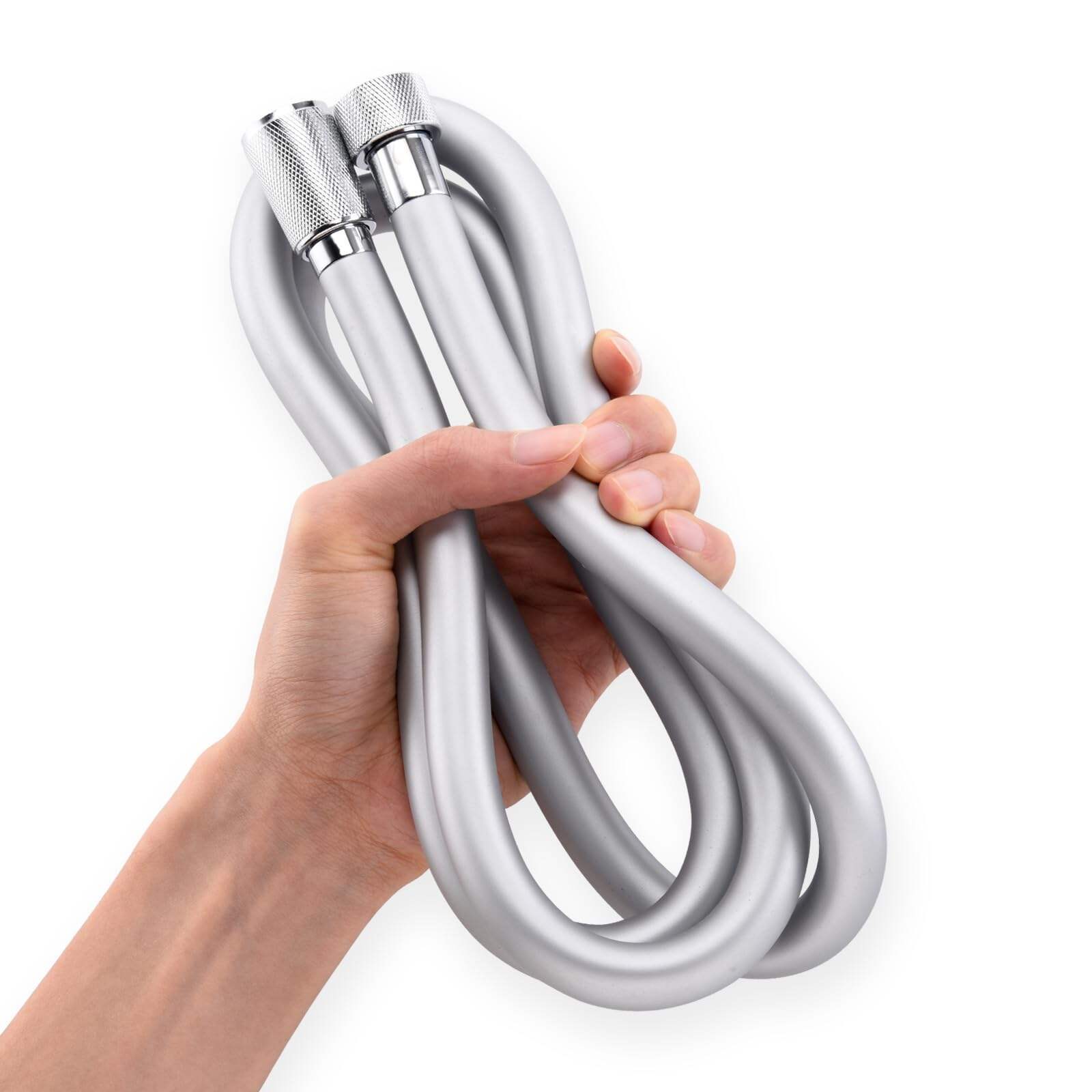
Polymergebaseerde materialen voor maximale flexibiliteit
Thermoplastisch polyurethaan (TPU) constructie
Thermoplastisch polyurethaan behoort tot de meest effectieve materialen voor doucheslangen om knikken te voorkomen, dankzij zijn uitzonderlijke elastische eigenschappen en geheugencapaciteit. TPU behoudt zijn buigzaamheid over een breed temperatuurbereik en biedt superieure weerstand tegen permanente vervorming, waardoor het ideaal is voor toepassingen waarbij de slang regelmatig wordt bewerkt. De moleculaire structuur van het materiaal maakt herhaaldelijk buigen mogelijk zonder dat zwakke plekken ontstaan, zoals vaak het geval is bij minder geschikte materialen, wat doorgaans leidt tot knikken.
Geavanceerde TPU-formuleringen die worden gebruikt in hoogwaardige doucheslangmateriaal bevatten weekmakers en stabilisatoren die de langdurige buigzaamheid verbeteren en tegelijkertijd degradatie door blootstelling aan heet water voorkomen. Deze doucheslangmaterialen kunnen duizenden buigcycli weerstaan zonder tekenen van vermoeidheid te vertonen, waarbij hun oorspronkelijke diameter en gladde watervloeieigenschappen behouden blijven. De inherente chemische weerstand van TPU beschermt bovendien tegen veelvoorkomende badkamerchemieën die bij andere materialen op termijn broosheid kunnen veroorzaken.
De productieprocessen voor TPU-gebaseerde doucheslangmaterialen omvatten vaak precisie-extrusietechnieken die een uniforme wanddikte creëren en spanningsconcentratiepunten elimineren. Deze consistente constructie voorkomt zwakke plekken waar knikken doorgaans ontstaan, waardoor de slang zijn structurele integriteit gedurende de gehele levensduur behoudt. Het vermogen van het materiaal om zich te herstellen na extreme buigposities maakt het bijzonder geschikt voor handdouche-toepassingen, waarbij de slang door smalle ruimten moet navigeren.
Versterkte siliconensamenstellingen
Siliconen gebaseerde doucheslangmaterialen bieden uitzonderlijke weerstand tegen knikken dankzij hun unieke, doorgestikte polymeerstructuur die flexibiliteit behoudt, zelfs bij extreme temperatuurschommelingen. De inherente eigenschappen van het materiaal maken het mogelijk om te buigen zonder geheugenpunten te ontwikkelen en keert voortdurend terug naar zijn oorspronkelijke vorm na vervorming. Hoogwaardige siliconenformuleringen zijn bestand tegen zowel degradatie bij hoge temperaturen als broosheid bij lage temperaturen, waardoor ze geschikt zijn voor diverse klimaatomstandigheden.
Premium siliconen doucheslangmaterialen bevatten versterkende agentia zoals stoffenmesh of spiraalvormige draadkernen die extra structurele ondersteuning bieden zonder de flexibiliteit in te perken. Deze hybride constructies combineren de natuurlijke weerstand tegen knikken van siliconen met verbeterde drukclassificaties en verbeterde dimensionale stabiliteit. Het gladde interne oppervlak van kwalitatief hoogwaardige siliconenmaterialen vermindert bovendien wrijvingsverliezen en behoudt een optimale watertoevoerdruk, zelfs bij complexe leidingroutes.
De chemische inertie van siliconen doucheslangmaterialen voorkomt afbraak door blootstelling aan zeep, shampoo en schoonmaakmiddelen die veelvoorkomen in badkameromgevingen. Deze weerstand zorgt ervoor dat het materiaal zijn flexibiliteitseigenschappen behoudt gedurende langdurig gebruik, waardoor verharding en broosheid worden voorkomen – verschijnselen die bij andere materialen leiden tot het ontstaan van knikken. Geavanceerde siliconenverbindingen weerstaan bovendien bacteriële groei en handhaven hygiënische omstandigheden binnen de slang.
Metaalversterkte composietsystemen
Integratie van roestvrijstalen draad
Versterking met roestvrijstalen draad is een van de meest effectieve methoden voor het maken van kinkbestendige doucheslangmateriaal, waarbij structurele ondersteuning wordt geboden zonder de noodzakelijke flexibiliteit voor normaal gebruik in te boeten. De draadmesh- of spiraalconstructie verdeelt buigspanningen gelijkmatig over de lengte van de slang, waardoor lokale vervorming die leidt tot permanente knikken wordt voorkomen. Hoogwaardige roestvrijstalen kwaliteiten zijn bestand tegen corrosie door waterblootstelling en behouden hun veerachtige eigenschappen gedurende langere tijd.
De integratie van roestvrijstalen versterking in doucheslangmateriaal vereist nauwkeurige technische afstemming om flexibiliteit en kinkbestendigheid optimaal te combineren. Een optimale draadafstand en draaddiameter zorgen ervoor dat de slang soepel kan buigen, terwijl instorting onder zuigkracht wordt voorkomen. De metalen versterking biedt ook bescherming tegen barstgevaar, waardoor deze doucheslangmaterialen hogere watertoevoerdrukken kunnen weerstaan zonder te falen of te vervormen.
Moderne productietechnieken voor stalen versterkte doucheslangmateriaal omvatten gespecialiseerde vlechtprocessen die een constante draadspanning en -afstand gedurende de gehele productie behouden. Deze precisie waarborgt uniforme prestatiekenmerken en elimineert zwakke punten waar knikken kunnen optreden. De corrosiebestendigheid van hoogwaardig roestvast staal voorkomt draadafbraak die zou kunnen leiden tot structurele instabiliteit of verminderde buigzaamheid na verloop van tijd.
Hybride polymeer-metaalconstructies
Hybride doucheslangmateriaal dat polymere buitenlagen combineert met interne metalen versterking biedt superieure weerstand tegen knikken, terwijl het tegelijkertijd de esthetische en tactiele kwaliteiten behoudt die gewenst zijn bij badkamerarmaturen. Deze doucheslangmateriaal maakt gebruik van de beste eigenschappen van beide materiaalsoorten, waardoor producten ontstaan die bestand zijn tegen knikken en tegelijkertijd soepel in gebruik zijn en een aantrekkelijk uiterlijk hebben.
De gelaagde constructie van hybride doucheslangmaterialen omvat doorgaans een binnenste voering voor contact met water, een versterkende metalen laag voor structurele ondersteuning en een beschermende buitenmantel voor duurzaamheid en uiterlijk. Elke laag vervult specifieke functies en draagt bij aan de algehele knikbestendigheid door verdeelde spanningsbeheersing en verbeterde structurele integriteit. Geavanceerde hechtingstechnieken zorgen voor een sterke verbinding tussen de lagen, waardoor scheiding onder normale gebruiksomstandigheden wordt voorkomen.
Kwalitatief hoogwaardige materialen voor hybride doucheslangen worden uitvoerig getest om hun knikbestendigheid te verifiëren onder diverse bedrijfsomstandigheden, waaronder extreme temperaturen, drukvariaties en herhaalde buigcycli. Deze uitgebreide beoordelingen garanderen dat de materialen hun anti-knik-eigenschappen gedurende de verwachte levensduur behouden, terwijl ze tegelijkertijd voldoen aan veiligheids- en prestatienormen. De meervoudige lagenopbouw biedt bovendien redundantie, waardoor een volledig uitvallen wordt voorkomen indien één enkele laag schade oploopt.
Geavanceerde productietechnieken voor het voorkomen van knikken
Precisie-extrusieprocessen
Moderne extrusietechnieken spelen een cruciale rol bij de productie van doucheslangmateriaal met superieure weerstand tegen knikken, door een uniforme wanddikte te garanderen en productiefouten te elimineren die kunnen uitgroeien tot breukpunten. Precisie-temperatuurregeling tijdens de extrusie voorkomt materiaalafbraak, terwijl optimale stromingseigenschappen worden behouden om consistente materiaaleigenschappen over de gehele lengte van de slang te realiseren. Deze gecontroleerde processen elimineren spanningconcentraties en zwakke plekken die doorgaans leiden tot vroegtijdig knikken in producten van lagere kwaliteit.
Geavanceerde extrusie-apparatuur voor doucheslangmateriaal omvat verwarmingssystemen met meerdere zones en geavanceerde diesontwerpen die optimale materiaalstromingspatronen creëren en spoorvorming of andere oppervlakte-irregulariteiten voorkomen. De consistente materiaalverdeling die wordt bereikt via precisie-extrusie zorgt voor uniforme buigbaarheidseigenschappen en elimineert de voorkeursbuigpunten die zich kunnen ontwikkelen tot permanente knikken. Maatregelen voor kwaliteitscontrole tijdens de extrusie omvatten continue dimensionele monitoring en materiaaleigenschappentests.
Co-extrusieprocessen die worden gebruikt voor meerlagige doucheslangmaterialen vereisen een nauwkeurige afstemming van de materiaalstroomsnelheden en -temperaturen om een juiste binding tussen de lagen te realiseren, zonder dat de eigenschappen van de afzonderlijke lagen worden aangetast. Deze geavanceerde productietechnieken maken het mogelijk complexe materiaalcombinaties te produceren die de weerstand tegen knikken optimaliseren, terwijl tegelijkertijd andere prestatie-eisen zoals drukklasse en chemische compatibiliteit worden gehandhaafd.
Oppervlaktebehandeltechnologieën
Gespecialiseerde oppervlaktebehandelingen die worden toegepast op materialen voor doucheslangen, kunnen hun knikbestendigheid aanzienlijk verbeteren door de wrijvingskenmerken van het oppervlak te wijzigen en de buigzaamheid op bochtplekken te verbeteren. Deze behandelingen omvatten plasma-modificatie, chemisch etsen en toepassingen van polymeercoatings die gecontroleerde oppervlakte-eigenschappen creëren die zijn geoptimaliseerd voor specifieke prestatievereisten. Geavanceerde oppervlakte-engineering kan de wrijvingscoëfficiënt tussen de slangenwikkelingen verminderen, waardoor het vastlopen wordt voorkomen dat vaak leidt tot permanente knikvorming.
Nano-coatingtechnologieën die worden toegepast op doucheslangmaterialen, creëren ultragladde oppervlakken die weerstand bieden tegen de ophoping van zeepresten en mineraalafzettingen, waardoor de slangen stijver kunnen worden en na verloop van tijd gaan knikken. Deze microscopische coatings behouden hun effectiviteit gedurende de gehele levenscyclus van het product en bieden bovendien extra voordelen zoals antimicrobiële eigenschappen en verbeterde reinigbaarheid. De verminderde oppervlaktespanning die wordt bereikt door een juiste behandeling, verbetert ook de waterafvoer en voorkomt interne afzettingen.
Kwalitatief hoogwaardige oppervlaktebehandelingen voor doucheslangmaterialen moeten hun hechting behouden onder thermische cycli en chemische belasting, zoals typisch voorkomt in badkameromgevingen. Geavanceerde testprotocollen bevestigen de duurzaamheid van de behandeling en garanderen dat de oppervlaktewijzigingen gedurende de verwachte levensduur van het product blijven bijdragen aan het voorkomen van knikken. Deze behandelingen bevatten vaak UV-stabilisatoren en anti-oxidanten die degradatie door lichtbelasting en oxidatieve omstandigheden tegengaan.
Prestatietesten en materiaalkeuze
Gestandaardiseerde knikbestendigheidstest
Standaardtestmethoden uit de industrie voor het beoordelen van doucheslangmaterialen omvatten cyclische buigtests die jarenlange normale gebruiksomstandigheden simuleren onder gecontroleerde laboratoriumomstandigheden. Deze tests meten het aantal buigcycli dat verschillende materialen kunnen doorstaan voordat er tekenen van permanente vervorming of stromingsbeperking zichtbaar worden. Gestandaardiseerde testparameters omvatten de buigradius, de cyclusfrequentie en de interne drukomstandigheden die de werkelijke bedrijfsomstandigheden nabootsen.
Uitgebreide testprotocollen voor materiaal van doucheslangen omvatten ook temperatuurcyclusbeoordelingen die de materiaalprestaties beoordelen over het volledige bereik van bedrijfsomstandigheden die voorkomen in residentiële en commerciële toepassingen. Deze tests laten zien hoe verschillende materialen reageren op thermische belasting en of temperatuurschommelingen bijdragen aan het ontstaan van knikken of materiaalafbraak. De resultaten helpen identificeren welke materialen voor doucheslangen een consistente prestatie behouden, ongeacht seizoensgebonden temperatuurwisselingen.
Langetermijnverouderingsstudies leveren waardevolle gegevens op over de prestaties van materiaal voor doucheslangen gedurende langere perioden onder diverse belastingsomstandigheden. Deze onderzoeken volgen veranderingen in buigzaamheid, weerstand tegen knikken en algemene materiaaleigenschappen naarmate de producten ouder worden, wat helpt bij het voorspellen van de levensduur en vervangingsintervallen. De gegevens verkregen uit verouderingsstudies ondersteunen beslissingen over materiaalkeuze en helpen garantieperiodes vast te stellen voor verschillende productcategorieën.
Materiaalafstemming op specifieke toepassing
Het selecteren van optimale materialen voor doucheslangen vereist zorgvuldige overweging van specifieke installatieomstandigheden, waaronder montageconfiguraties, gebruikerspatronen en omgevingsfactoren die van invloed zijn op de vereisten voor knikbestendigheid. Installaties in commerciële omgevingen met veel gebruik stellen andere eisen aan materiaaleigenschappen dan residentiële toepassingen, waarbij verhoogde duurzaamheid en knikbestendigheid de voornaamste overwegingen zijn. Een goed begrip van deze toepassingseisen helpt om het juiste materiaal te kiezen voor maximale prestaties en levensduur.
Milieu factoren zoals waterchemie, temperatuurbereiken en niveaus van chemische blootstelling beïnvloeden aanzienlijk de keuze van geschikte materialen voor doucheslangen om optimale knikbestendigheid te waarborgen. Bij hard water kunnen materialen met verbeterde weerstand tegen mineralen nodig zijn, terwijl toepassingen bij hoge temperaturen materialen vereisen die hun buigzaamheid behouden onder thermische belasting. Een juiste afstemming van het materiaal op de milieuomstandigheden voorkomt vroegtijdig uitvallen en garandeert een consistente anti-knikprestatie.
Overwegingen met betrekking tot de installatiegeometrie, waaronder vereisten voor de minimale buigradius, variaties in de montagehoogte en ruimtebeperkingen, spelen een cruciale rol bij het bepalen van welke doucheslangmaterialen voldoende knikbestendigheid bieden. Materialen die goed presteren bij rechte installaties, kunnen problemen ontwikkelen wanneer ze worden gedwongen in strakke bochten of complexe leidingsconfiguraties. Een professionele beoordeling van de installatievereisten zorgt voor een optimale materiaalkeuze voor specifieke toepassingen.
Veelgestelde vragen
Welk doucheslangmateriaal biedt de langste levensduur met minimale knikproblemen?
Thermoplastisch polyurethaan (TPU) en versterkt siliconenmateriaal bieden doorgaans de langste levensduur met uitstekende knikbestendigheid. Deze doucheslangmaterialen behouden hun flexibiliteitseigenschappen gedurende duizenden buigcycli en weerstaan permanente vervorming. Composietconstructies met metalen versterking bieden eveneens uitstekende levensduur, met name in intensief gebruikte commerciële toepassingen waar duurzaamheid van essentieel belang is.
Hoe beïnvloeden temperatuurschommelingen de knikbestendigheid van verschillende doucheslangmaterialen?
Temperatuurschommelingen hebben een aanzienlijke invloed op doucheslangmaterialen: sommige worden bros bij lage temperaturen, terwijl andere bij hoge temperaturen overmatig verzachten. Premiummaterialen zoals TPU en hoogwaardig siliconen behouden een consistente flexibiliteit over een brede temperatuurbereik, terwijl basisrubber- en PVC-materialen bij extreme temperaturen gevoeliger kunnen worden voor knikken. Kwalitatief hoogwaardige materialen bevatten thermische stabilisatoren om temperatuurafhankelijke prestatieveranderingen tot een minimum te beperken.
Kunnen watertoevoerdruk-niveaus invloed hebben op welke doucheslangmaterialen het meest kreukvrij zijn?
Hogere watertoevoerdrukken kunnen kreukproblemen verergeren bij materialen die onvoldoende structurele ondersteuning bieden, waardoor versterkte doucheslangmaterialen geschikter zijn voor toepassingen met hoge druk. Constructies met metaalversterking en materialen met een vergrote wanddikte bieden betere weerstand tegen door druk veroorzaakte vervorming. Bij lage-druksystemen kan gebruik worden gemaakt van flexibelere materialen die gemakkelijkheid van hantering boven structurele stijfheid prioriteren.
Welke onderhoudspraktijken helpen de kreukweerstand van verschillende doucheslangmaterialen te behouden?
Regelmatig schoonmaken om mineraalafzettingen en zeepresten te verwijderen helpt de flexibiliteit van alle doucheslangmaterialen te behouden. Het vermijden van scherpe bochten tijdens opslag en gebruik voorkomt spanningconcentratie die kan leiden tot permanente knikken. Bij metalen versterkte materialen verlengt periodiek inspecteren op corrosie en goed drogen na gebruik de levensduur. Kwalitatief hoogwaardige materialen vereisen weinig onderhoud, maar profiteren wel van zacht hanteren en juiste installatietechnieken.
Inhoudsopgave
- Polymergebaseerde materialen voor maximale flexibiliteit
- Metaalversterkte composietsystemen
- Geavanceerde productietechnieken voor het voorkomen van knikken
- Prestatietesten en materiaalkeuze
-
Veelgestelde vragen
- Welk doucheslangmateriaal biedt de langste levensduur met minimale knikproblemen?
- Hoe beïnvloeden temperatuurschommelingen de knikbestendigheid van verschillende doucheslangmaterialen?
- Kunnen watertoevoerdruk-niveaus invloed hebben op welke doucheslangmaterialen het meest kreukvrij zijn?
- Welke onderhoudspraktijken helpen de kreukweerstand van verschillende doucheslangmaterialen te behouden?