
 EN
EN
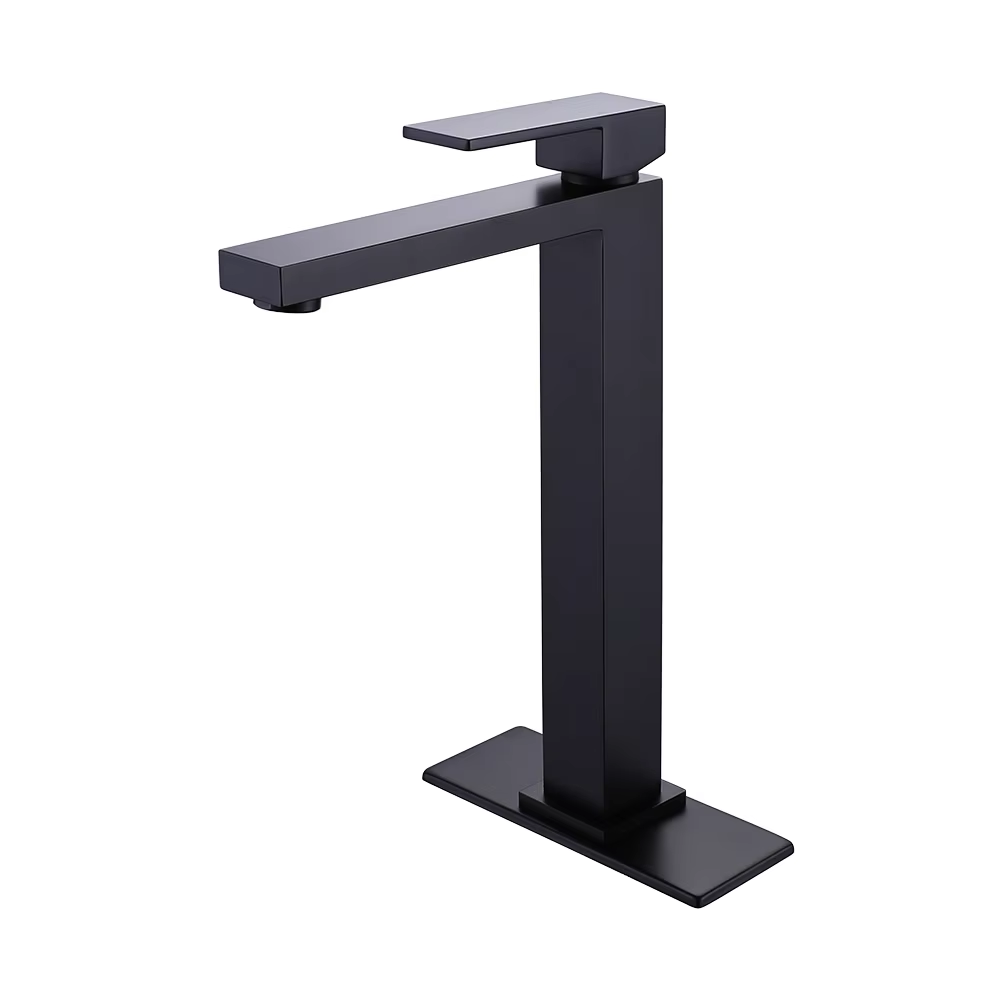
Integrated faucets represent a revolutionary advancement in kitchen design, seamlessly combining functionality with aesthetic appeal to create efficient culinary workspaces. These innovative fixtures eliminate the traditional separation between sink and faucet, creating a unified system that enhances both workflow efficiency and hygiene standards. Modern kitchens demand solutions that can keep pace with busy lifestyles while maintaining the highest standards of cleanliness and functionality.
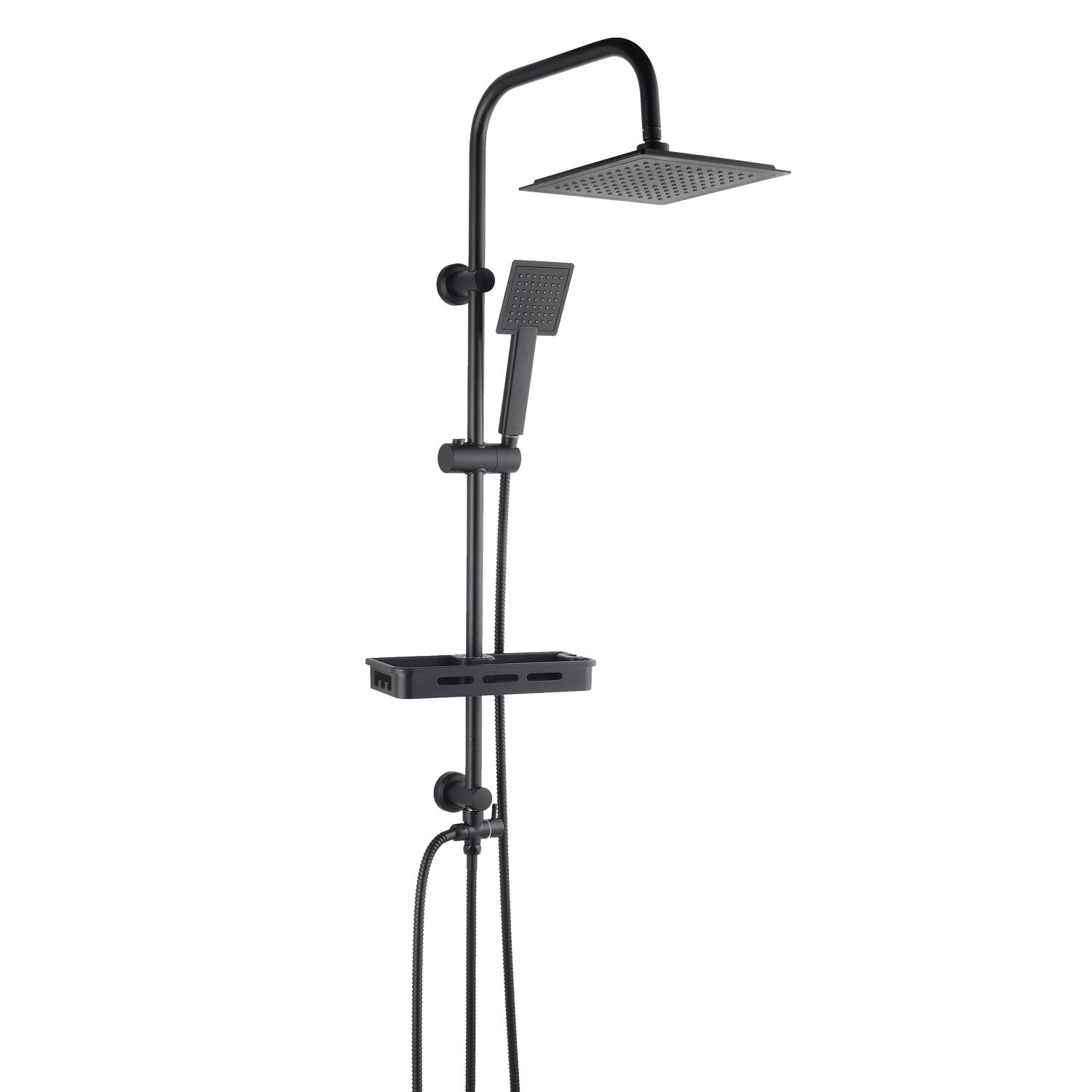
The integration of advanced engineering principles with contemporary design aesthetics has transformed how professional chefs and home cooks approach kitchen tasks. By eliminating unnecessary joints, connections, and separate components, integrated faucets create streamlined surfaces that reduce cleaning time while maximizing operational efficiency. This comprehensive approach to kitchen design reflects the growing demand for appliances and fixtures that deliver both performance and visual sophistication.
Design Philosophy Behind Integrated Faucet Systems
Seamless Integration Principles
The fundamental design philosophy of integrated faucets centers on eliminating visual and functional barriers between different kitchen components. Traditional faucet installations often create gaps, seams, and transition points that accumulate debris and require extensive maintenance. Integrated faucets address these challenges by creating continuous surfaces that flow naturally from countertop to water delivery system.
This seamless approach extends beyond mere aesthetics to encompass practical considerations such as water containment, splash control, and ergonomic accessibility. The unified design reduces the number of surfaces requiring regular cleaning while creating more intuitive user interactions. Professional kitchen designers increasingly recommend integrated faucets for their ability to create cohesive design narratives that enhance both form and function.
Material Selection and Durability
The construction of integrated faucets requires careful consideration of materials that can withstand constant exposure to water, heat, and cleaning chemicals while maintaining structural integrity. Stainless steel remains the preferred choice for many applications due to its resistance to corrosion, ease of maintenance, and compatibility with various design aesthetics. Advanced manufacturing techniques allow for the creation of complex geometries that would be impossible with traditional assembly methods.
Contemporary integrated faucets often incorporate composite materials, engineered ceramics, and specialized coatings that enhance performance characteristics while reducing maintenance requirements. These material innovations enable designers to create fixtures that maintain their appearance and functionality over extended periods of heavy use. The durability benefits of integrated faucets make them particularly valuable in commercial kitchen environments where reliability and longevity are essential considerations.
Workflow Enhancement Through Strategic Design
Ergonomic Optimization
Integrated faucets significantly improve kitchen workflow by optimizing the relationship between user movement patterns and water delivery systems. Traditional faucet designs often require users to reach across work surfaces or manipulate multiple controls to achieve desired water temperatures and flow rates. Integrated faucets eliminate these inefficiencies by positioning controls and spouts in locations that align with natural hand movements and cooking processes.
The ergonomic advantages of integrated faucets extend to the reduction of repetitive motions that can lead to fatigue during extended cooking sessions. By creating more intuitive control interfaces and positioning water delivery points strategically within the work triangle, these systems enable users to maintain focus on culinary tasks without interruption. Professional chefs particularly appreciate the way integrated faucets minimize the physical demands of food preparation while maximizing access to clean water for cooking and cleaning applications.
Task-Specific Functionality
Modern integrated faucets incorporate specialized features designed to support specific kitchen tasks, from food preparation to cleanup activities. Multi-function spray heads, adjustable water pressure settings, and temperature memory functions allow users to customize water delivery for different applications without manual adjustment between tasks. These capabilities reduce the time required to switch between cooking and cleaning activities while ensuring optimal water conditions for each specific need.
The integration of smart technology features, such as motion sensors, voice activation, and programmable presets, further enhances the task-specific functionality of these systems. Users can activate water flow without physical contact, reducing cross-contamination risks while maintaining hygiene standards. The ability to program specific temperature and flow combinations for frequent tasks streamlines repetitive kitchen activities and reduces the cognitive load associated with managing multiple kitchen systems simultaneously.
Hygiene Advantages of Integrated Systems
Contamination Prevention
The hygienic advantages of integrated faucets stem primarily from their ability to eliminate the crevices, joints, and connection points where bacteria and other contaminants typically accumulate. Traditional faucet installations create numerous opportunities for pathogen growth, particularly in the areas where separate components meet or where water can become trapped in small spaces. Integrated faucets address these concerns by creating continuous, easily cleanable surfaces that resist bacterial colonization.
The smooth, uninterrupted surfaces characteristic of integrated faucets facilitate thorough cleaning while reducing the time and effort required to maintain sanitary conditions. Food service professionals particularly value this aspect of integrated faucets, as it supports compliance with health department regulations and industry best practices. The reduced number of surfaces requiring attention during cleaning procedures allows kitchen staff to focus on other important sanitation tasks while maintaining confidence in the cleanliness of their water delivery systems.
Cleaning Efficiency and Maintenance
Integrated faucets dramatically simplify cleaning procedures by eliminating the need to clean around multiple components, gaskets, and connection points. The unified design allows for quick, thorough cleaning using standard sanitation procedures without the detailed attention required for traditional multi-piece faucet systems. This efficiency translates to reduced labor costs and improved consistency in maintaining hygiene standards across different kitchen environments.
The maintenance advantages of integrated faucets extend beyond routine cleaning to include reduced requirements for repairs and component replacement. By eliminating separate parts that can wear out or fail independently, integrated faucets reduce the likelihood of system failures and the associated downtime. This reliability is particularly valuable in commercial kitchen settings where water access interruptions can significantly impact operations and profitability.
Technology Integration and Smart Features
Sensor Technology and Touchless Operation
Contemporary integrated faucets increasingly incorporate advanced sensor technology that enables touchless operation, further enhancing hygiene and workflow efficiency. Motion-activated controls eliminate the need for physical contact with faucet surfaces, reducing cross-contamination risks while providing immediate access to water when needed. These systems can distinguish between intentional activation gestures and incidental movements, ensuring reliable operation without false activations.
The integration of smart sensors with integrated faucets creates opportunities for advanced functionality such as automatic shutoff timers, flow rate monitoring, and usage tracking. These features support both hygiene goals and resource conservation efforts by ensuring water is used efficiently and systems remain clean between uses. The data generated by smart integrated faucets can inform maintenance schedules and help identify potential issues before they impact kitchen operations.
Temperature Control and Safety Features
Advanced integrated faucets incorporate sophisticated temperature control systems that provide precise water temperature regulation while preventing scalding incidents. These systems can maintain consistent temperatures regardless of variations in supply pressure or simultaneous water use elsewhere in the building. The safety features built into modern integrated faucets protect users from sudden temperature changes that could cause injury or interfere with food preparation processes.
The integration of digital temperature displays and programmable temperature presets allows users to achieve optimal water conditions for specific tasks without manual adjustment or guesswork. This precision is particularly valuable for food preparation applications where water temperature directly impacts food safety and cooking results. Professional kitchens benefit from the consistency and reliability of integrated faucets that maintain precise temperature control under varying operating conditions.
Installation Considerations and Space Optimization
Space Efficiency in Kitchen Design
Integrated faucets contribute to more efficient use of kitchen space by eliminating the deck space typically required for separate faucet mounting. This design advantage is particularly valuable in smaller kitchens where every inch of counter space matters for food preparation activities. The streamlined profile of integrated faucets creates cleaner sight lines and more usable work surfaces while maintaining full access to water delivery functions.
The space optimization benefits of integrated faucets extend to under-counter areas where simplified plumbing connections reduce the complexity of utility routing. This efficiency can free up valuable storage space for kitchen equipment and supplies while simplifying future modifications or repairs. Kitchen designers increasingly recommend integrated faucets as a strategy for maximizing functional space in both residential and commercial kitchen applications.
Installation Process and Requirements
The installation of integrated faucets requires specialized knowledge and techniques that differ from traditional faucet installation procedures. Professional installation ensures proper integration with existing plumbing systems while maintaining the seamless appearance that defines these fixtures. The installation process typically involves careful measurement, precise cutting, and skilled fitting to achieve the tight tolerances necessary for optimal performance and aesthetics.
Integrated faucets often require specific sink configurations and countertop preparations that must be coordinated during the kitchen design phase. This planning requirement can actually benefit overall kitchen functionality by ensuring all components work together harmoniously rather than requiring compromise solutions during installation. The upfront planning investment pays dividends in terms of long-term performance, aesthetics, and maintenance efficiency.
Cost Considerations and Long-Term Value
Initial Investment Analysis
The initial cost of integrated faucets typically exceeds that of traditional faucet systems due to their advanced design, specialized manufacturing requirements, and integrated technology features. However, this higher upfront investment must be evaluated in the context of long-term operational benefits, maintenance savings, and enhanced kitchen functionality. Many users find that the improved efficiency and reduced maintenance requirements offset the initial cost difference over time.
Professional kitchen operators often justify the investment in integrated faucets based on labor savings, improved food safety compliance, and enhanced operational efficiency. The reduced time required for cleaning and maintenance translates to direct cost savings in commercial environments where labor costs represent a significant operational expense. Residential users may value the convenience and aesthetic benefits as primary justification for the investment in integrated faucets.
Return on Investment Factors
The return on investment for integrated faucets comes from multiple sources including reduced maintenance costs, improved operational efficiency, and enhanced property value. The durability and reliability of integrated faucets reduce the frequency of repairs and replacements compared to traditional systems with multiple components that can fail independently. This reliability translates to reduced downtime and lower long-term ownership costs.
Energy and water efficiency features built into many integrated faucets contribute to ongoing operational savings through reduced utility consumption. Smart features that monitor and optimize water usage can provide measurable reductions in resource consumption while maintaining full functionality. These efficiency benefits become more significant over time as utility costs increase and environmental considerations become more important to both residential and commercial users.
FAQ
What maintenance is required for integrated faucets compared to traditional faucets
Integrated faucets require significantly less maintenance than traditional faucets due to their seamless design and fewer component parts. Regular cleaning with standard kitchen sanitizers is typically sufficient to maintain hygiene and appearance. The absence of separate joints, gaskets, and connection points eliminates many common failure points that require attention in traditional faucet systems. Professional maintenance should be performed annually to ensure optimal performance of smart features and internal components.
Can integrated faucets be retrofitted into existing kitchen designs
Retrofitting integrated faucets into existing kitchens is possible but often requires modifications to countertops, sinks, and plumbing connections. The feasibility depends on the specific design of the existing kitchen and the type of integrated faucets being installed. Professional assessment is recommended to determine the extent of modifications required and ensure proper installation. In many cases, kitchen renovation provides the optimal opportunity to incorporate integrated faucets into the overall design plan.
How do integrated faucets perform in high-volume commercial kitchen environments
Integrated faucets excel in high-volume commercial kitchen environments due to their durability, ease of cleaning, and consistent performance under heavy use. The seamless design reduces cleaning time while maintaining sanitary conditions required in food service applications. Many commercial integrated faucets include features specifically designed for high-volume use such as reinforced construction, commercial-grade internal components, and enhanced flow rates to support demanding kitchen operations.
What smart features are commonly available in modern integrated faucets
Modern integrated faucets commonly include motion sensors for touchless operation, programmable temperature presets, digital displays, and water usage monitoring capabilities. Advanced models may feature voice activation, smartphone connectivity, and integration with kitchen automation systems. These smart features enhance both hygiene and operational efficiency while providing data that can inform maintenance schedules and resource management decisions in both residential and commercial applications.
Table of Contents
- Design Philosophy Behind Integrated Faucet Systems
- Workflow Enhancement Through Strategic Design
- Hygiene Advantages of Integrated Systems
- Technology Integration and Smart Features
- Installation Considerations and Space Optimization
- Cost Considerations and Long-Term Value
-
FAQ
- What maintenance is required for integrated faucets compared to traditional faucets
- Can integrated faucets be retrofitted into existing kitchen designs
- How do integrated faucets perform in high-volume commercial kitchen environments
- What smart features are commonly available in modern integrated faucets