
 EN
EN
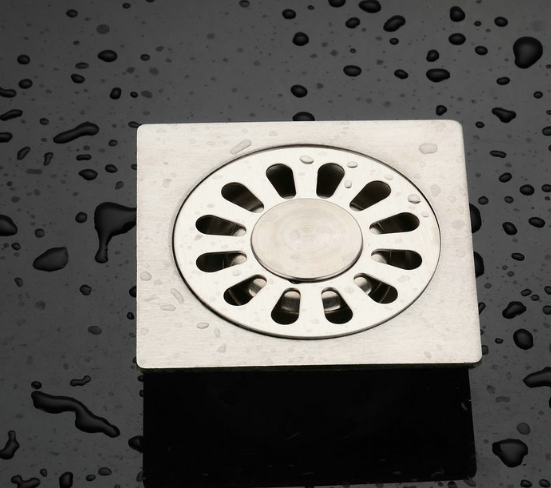
Unpleasant odors emanating from floor drains represent one of the most persistent and troublesome issues in both residential and commercial environments. These unwelcome smells can transform comfortable living spaces into unpleasant areas, affecting air quality and overall well-being. Understanding how a quality floor drain prevents these odor problems requires examining the fundamental mechanisms that cause drain odors and how superior design features effectively eliminate these sources at their origin.
The relationship between drain quality and odor prevention extends beyond simple functionality to encompass sophisticated engineering principles that address multiple odor pathways simultaneously. A well-designed floor drain creates multiple barriers against sewer gas infiltration, bacterial growth, and stagnant water accumulation, while maintaining optimal drainage performance. This comprehensive approach to odor control distinguishes quality drainage solutions from basic alternatives that merely provide water removal without addressing the underlying causes of persistent odor problems.
Water Seal Technology and Odor Barrier Creation
Understanding Water Trap Mechanics in Quality Floor Drains
The foundation of effective odor prevention in any quality floor drain lies in its water trap design, which creates a physical barrier between interior spaces and sewer systems. This water seal mechanism operates on the principle of maintaining a consistent water level within the drain body that blocks the upward movement of sewer gases and odors. Quality floor drain systems incorporate deeper trap designs that hold larger water volumes, ensuring the seal remains intact even during periods of reduced water flow or extended non-use.
Advanced floor drain designs feature enhanced trap geometries that optimize water retention while facilitating rapid drainage during peak flow conditions. These sophisticated configurations prevent the common problem of trap seal loss that occurs with inferior drainage products, where insufficient water depth allows odor penetration during dry periods. The engineering precision required to balance drainage efficiency with reliable odor sealing represents a critical distinction between quality floor drains and standard alternatives.
Professional-grade floor drain installations also incorporate backup sealing mechanisms that activate when primary water traps face unusual conditions. These redundant odor prevention features ensure continuous protection against sewer gas infiltration, even when building systems experience temporary interruptions or maintenance activities that might compromise standard trap seals.
Optimal Trap Depth and Water Volume Management
The specific dimensions and volume capacity of water traps in quality floor drains directly influence their odor prevention effectiveness. Deeper trap designs maintain larger water volumes that resist evaporation and displacement, providing more reliable long-term odor barriers. These enhanced water retention characteristics prove particularly important in applications where floor drains experience irregular usage patterns or extended periods between cleaning cycles.
Quality floor drain manufacturers engineer trap depths that exceed minimum code requirements, creating enhanced safety margins against seal failure and odor breakthrough. This conservative design approach ensures consistent odor control performance across varying environmental conditions, including temperature fluctuations and humidity changes that can affect water retention in standard drainage systems.
The relationship between trap volume and drainage capacity requires careful engineering balance to prevent overflow conditions while maintaining adequate seal depth. Quality floor drain systems achieve this balance through precisely calculated internal geometries that optimize both functions without compromising either odor prevention or drainage performance.
Material Quality and Bacterial Growth Prevention
Antimicrobial Surface Properties in Premium Drain Construction
The material composition of quality floor drains plays a crucial role in preventing bacterial growth that contributes significantly to persistent drain odors. Premium drainage systems utilize materials with inherent antimicrobial properties or specialized surface treatments that inhibit the colonization of odor-producing microorganisms. These advanced materials create inhospitable environments for bacteria and biofilm formation, addressing odor sources at the cellular level.
Stainless steel and specialized polymer compositions commonly used in quality floor drain construction resist bacterial adhesion and growth through their molecular surface characteristics. These materials maintain smooth, non-porous surfaces that prevent the establishment of bacterial communities responsible for generating hydrogen sulfide and other malodorous compounds. The resistance to microbial colonization remains consistent over extended service periods, ensuring long-term odor control effectiveness.
Advanced surface engineering techniques applied to premium floor drain components create microscopic surface textures that actively discourage bacterial attachment while facilitating easy cleaning and maintenance. These specialized finishes maintain their antimicrobial effectiveness through repeated cleaning cycles and exposure to various cleaning agents, providing sustained odor prevention benefits throughout the drain's operational lifetime.
Corrosion Resistance and Surface Integrity Maintenance
The long-term odor prevention performance of floor drain systems depends heavily on maintaining surface integrity against corrosion and chemical degradation. Quality floor drains incorporate corrosion-resistant materials and protective coatings that preserve smooth surface conditions essential for preventing bacterial colonization and organic matter accumulation. These protective measures ensure that drain surfaces remain hostile to odor-producing organisms throughout extended service periods.
Chemical resistance properties in premium floor drain materials prevent surface pitting and roughening that create ideal conditions for bacterial growth and organic debris accumulation. These degradation-resistant characteristics maintain the effectiveness of cleaning procedures and prevent the formation of protected microbial environments within drain components where odors can develop and persist despite regular maintenance efforts.
The structural integrity of quality floor drain systems under chemical exposure ensures that sealing surfaces and trap mechanisms maintain proper function over time. This durability prevents the development of gaps and irregularities that could compromise odor barriers or create additional sites for bacterial colonization and odor generation.
Advanced Drainage Design and Flow Optimization
Self-Cleaning Flow Patterns and Debris Removal
Quality floor drain systems incorporate sophisticated internal geometries that promote self-cleaning flow patterns, automatically removing organic debris and preventing the accumulation of materials that contribute to odor development. These engineered flow characteristics ensure that water movement through the drain creates sufficient velocity and turbulence to dislodge potential odor sources before they can establish permanent colonies within the drainage system.
The hydraulic design principles employed in premium floor drain construction create optimized flow velocities that balance drainage efficiency with cleaning effectiveness. These carefully calculated flow patterns prevent stagnant zones where organic matter can accumulate and decompose, generating persistent odors that resist removal through conventional cleaning methods. The continuous cleaning action provided by properly designed flow patterns represents a significant advantage over basic drainage systems that rely solely on periodic manual cleaning for odor control.
Advanced floor drain designs also incorporate features that direct flow patterns to ensure complete trap flushing during normal drainage operations. This automatic flushing action prevents the buildup of sediments and organic materials within water traps that can become sources of anaerobic bacterial activity and associated odor production.
Ventilation Integration and Pressure Equalization
The integration of proper ventilation mechanisms within quality floor drain systems provides essential pressure equalization that maintains trap seal integrity while preventing vacuum conditions that could draw odors from connected drainage systems. These ventilation features work in conjunction with water seals to create comprehensive odor barriers that address both direct gas passage and pressure-induced seal failure.
Professional-grade floor drain installations incorporate ventilation pathways that prevent the development of negative pressure conditions during peak drainage events. These pressure relief mechanisms ensure that rapid water flow does not siphon trap seals, maintaining continuous odor barriers even during emergency drainage situations or system surges that could compromise standard drainage installations.
The coordination between floor drain design and building ventilation systems creates optimal conditions for odor control by ensuring that any gases that might bypass primary barriers are immediately evacuated rather than allowed to accumulate and penetrate occupied spaces. This systematic approach to odor management addresses the complete pathway from source to occupied areas.
Installation Precision and System Integration
Proper Slope Configuration and Water Flow Management
The effectiveness of quality floor drain systems in preventing odors depends critically on precise installation techniques that ensure optimal water flow patterns and trap seal maintenance. Professional installation practices create the exact slope configurations necessary for complete drainage while maintaining adequate water levels in trap seals. These installation standards prevent standing water conditions that promote bacterial growth while ensuring reliable odor barriers remain in place.
Precision grading around floor drain installations directs water flow to prevent puddling and stagnation in areas adjacent to drainage points. These carefully engineered drainage patterns eliminate moisture accumulation that could support bacterial growth and odor development outside the primary drainage system. The integration of proper slopes with quality floor drain systems creates comprehensive moisture management that addresses all potential odor sources.
The relationship between installation precision and long-term odor control extends beyond immediate drainage performance to include considerations for maintenance access and cleaning effectiveness. Quality installations provide appropriate clearances and access points that facilitate thorough cleaning procedures essential for sustained odor prevention throughout the system's operational life.
Sealing and Connection Integrity for Odor Containment
Professional installation of quality floor drain systems ensures complete sealing of all connections and interfaces that could potentially allow odor infiltration from drainage systems into occupied spaces. These comprehensive sealing procedures address not only primary drain connections but also all ancillary penetrations and interfaces that could compromise odor containment. The attention to detail in sealing procedures distinguishes professional installations from basic drainage connections that may leave odor pathways inadequately addressed.
The selection and application of appropriate sealing materials for floor drain installations requires understanding of chemical compatibility and long-term performance characteristics under drainage system conditions. Quality installations utilize sealing compounds and gaskets specifically designed for drainage applications that maintain effectiveness against the chemical and physical conditions present in these environments.
System integration procedures for quality floor drain installations include verification testing that confirms odor containment effectiveness before system commissioning. These testing protocols ensure that all potential odor pathways have been properly sealed and that trap mechanisms function correctly to provide intended odor barriers under actual operating conditions.
FAQ
How often should floor drain water seals be checked to prevent odors?
Water seals in floor drains should be inspected monthly in regularly used areas and weekly in locations with infrequent drainage activity. Quality floor drain systems with deeper traps require less frequent attention, but visual confirmation of adequate water levels ensures continuous odor protection. During dry periods or reduced usage, adding water to maintain proper seal depth prevents odor breakthrough from connected drainage systems.
What makes stainless steel floor drains more effective at preventing odors than plastic alternatives?
Stainless steel floor drains provide superior odor prevention through their non-porous surface that resists bacterial colonization and biofilm formation. The material's inherent antimicrobial properties and resistance to chemical degradation maintain smooth surfaces essential for effective cleaning and odor control. Additionally, stainless steel construction allows for more precise manufacturing tolerances that ensure proper trap seal maintenance and eliminate potential odor pathways.
Can poor installation cause odor problems even with quality floor drains?
Improper installation can significantly compromise the odor prevention capabilities of even the highest quality floor drain systems. Incorrect slope configurations, inadequate sealing of connections, and improper trap assembly can create odor pathways that bypass designed protection mechanisms. Professional installation following manufacturer specifications ensures that quality floor drain systems achieve their intended odor control performance throughout their operational lifetime.
How do quality floor drains handle odor prevention during periods of non-use?
Quality floor drains incorporate design features that maintain trap seal integrity during extended periods without water flow. Deeper trap configurations and enhanced water retention characteristics resist evaporation that could compromise odor barriers. Some premium systems include automatic priming mechanisms or slow-release water sources that maintain seal levels during extended non-use periods, ensuring continuous odor protection regardless of usage patterns.
Table of Contents
- Water Seal Technology and Odor Barrier Creation
- Material Quality and Bacterial Growth Prevention
- Advanced Drainage Design and Flow Optimization
- Installation Precision and System Integration
-
FAQ
- How often should floor drain water seals be checked to prevent odors?
- What makes stainless steel floor drains more effective at preventing odors than plastic alternatives?
- Can poor installation cause odor problems even with quality floor drains?
- How do quality floor drains handle odor prevention during periods of non-use?