 EN
EN
Maximizing Water Efficiency in Commercial Buildings Through Smart Tap Selection
The selection of water-saving taps for large-scale installations has become increasingly crucial as organizations worldwide prioritize sustainability and resource conservation. Modern water-saving taps combine innovative technology with practical design to deliver significant reductions in water consumption while maintaining optimal performance. Understanding how to choose the right fixtures for your facility can lead to substantial cost savings and environmental benefits over time.
With commercial buildings accounting for a significant portion of urban water consumption, the implementation of water-saving taps represents a fundamental step toward achieving sustainability goals. These specialized fixtures can reduce water usage by up to 50% compared to conventional taps, making them an essential consideration for facility managers, architects, and property developers planning large-scale installations.
Essential Features of Modern Water-Saving Taps
Advanced Flow Control Technologies
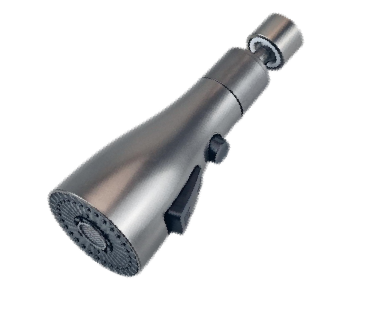
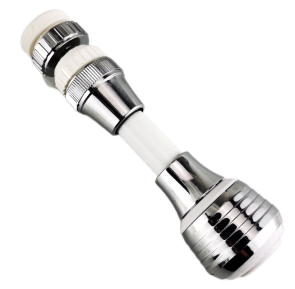
Contemporary water-saving taps incorporate sophisticated flow control mechanisms that optimize water delivery while maintaining user comfort. Aerators mix air with water to create a full-flowing stream that uses less water volume. These devices can be adjusted to deliver between 1.5 to 5 liters per minute, compared to traditional taps that often use up to 15 liters per minute.
Pressure compensating devices ensure consistent flow rates regardless of varying water pressure conditions, preventing excess water usage during high-pressure periods. This technology is particularly valuable in multi-story buildings where pressure can fluctuate significantly between floors.
Sensor-Based Operation Systems
Infrared sensors have revolutionized the way water-saving taps function in commercial settings. These hands-free systems activate water flow only when needed, eliminating waste from taps left running or improperly closed. Modern sensor systems feature adjustable detection ranges and timeout settings, allowing facility managers to fine-tune operation for optimal efficiency.
Advanced sensor technologies now include self-calibrating systems that adapt to changing environmental conditions and usage patterns. This smart functionality ensures consistent performance while minimizing maintenance requirements and extending the lifespan of the fixtures.
Technical Specifications for Large-Scale Projects
Material Quality and Durability Standards
When selecting water-saving taps for large installations, material quality becomes paramount. Commercial-grade brass with chrome or PVD finishes offers excellent durability and corrosion resistance. These materials withstand frequent use and harsh cleaning chemicals common in commercial environments.
Look for taps with ceramic disc cartridges, as they provide superior longevity compared to traditional rubber washers. High-quality cartridges can withstand hundreds of thousands of cycles while maintaining consistent water-saving performance throughout their lifecycle.
Compliance and Certification Requirements
Water-saving taps for commercial installations must meet specific regulatory standards and certification requirements. Look for products that carry WELS (Water Efficiency Labeling Scheme) certification or equivalent regional standards. These certifications ensure the taps meet minimum efficiency and performance criteria.
Additionally, consider taps that comply with health and safety regulations regarding materials in contact with drinking water. Lead-free certification and compliance with standards like NSF/ANSI 61 are crucial for installations in public buildings.
Installation and Maintenance Considerations
Professional Installation Requirements
Proper installation of water-saving taps is crucial for achieving optimal performance and longevity. Commercial installations require professional plumbers familiar with the specific requirements of water-saving technologies. This includes understanding proper pressure settings, electrical connections for sensor-operated units, and integration with building management systems.
Consider the accessibility of key components for maintenance and the availability of replacement parts when selecting tap models. Easy-to-service designs can significantly reduce maintenance costs and downtime over the lifecycle of the installation.
Ongoing Maintenance Protocols
Establish comprehensive maintenance schedules that include regular cleaning of aerators and sensors, checking for leaks, and calibrating flow rates. Water-saving taps often feature modular designs that facilitate quick replacement of worn components without requiring complete fixture replacement.
Modern water-saving taps may include self-diagnostic features that alert maintenance staff to potential issues before they become serious problems. This predictive maintenance capability can significantly reduce repair costs and prevent water waste from malfunctioning units.
Cost Analysis and Return on Investment
Initial Investment Considerations
While water-saving taps typically require a higher upfront investment compared to standard fixtures, the long-term benefits often justify the initial cost. Calculate the total cost of ownership by considering factors such as installation costs, expected lifespan, and maintenance requirements.
Volume pricing and bulk purchase agreements can significantly reduce per-unit costs for large-scale installations. Many manufacturers offer special pricing and support packages for commercial projects, including extended warranties and maintenance contracts.
Long-term Savings Potential
The return on investment for water-saving taps typically occurs within 12-24 months, depending on usage patterns and local water rates. Calculate potential savings by comparing current water consumption with projected usage based on the specifications of selected water-saving taps.
Consider additional benefits such as reduced energy costs for hot water heating, decreased maintenance requirements, and potential rebates or incentives from local utilities for water conservation initiatives.
Frequently Asked Questions
What is the typical lifespan of commercial water-saving taps?
High-quality water-saving taps installed in commercial settings typically last 5-10 years with proper maintenance. The actual lifespan depends on factors such as water quality, usage frequency, and maintenance practices. Sensor-operated taps may require battery replacement or electrical maintenance every 2-3 years.
How much water can be saved with modern water-saving taps?
Modern water-saving taps can reduce water consumption by 40-60% compared to conventional taps. In large-scale installations, this can translate to savings of thousands of liters per day. The exact savings depend on factors such as user behavior, existing fixture efficiency, and specific tap features.
Are water-saving taps suitable for all types of commercial installations?
While water-saving taps are generally suitable for most commercial applications, certain environments may require specialized solutions. High-traffic areas may benefit from more durable models, while food service areas might need specific hygiene features. Consultation with manufacturers and plumbing professionals can help determine the most appropriate solutions for specific applications.