
 EN
EN
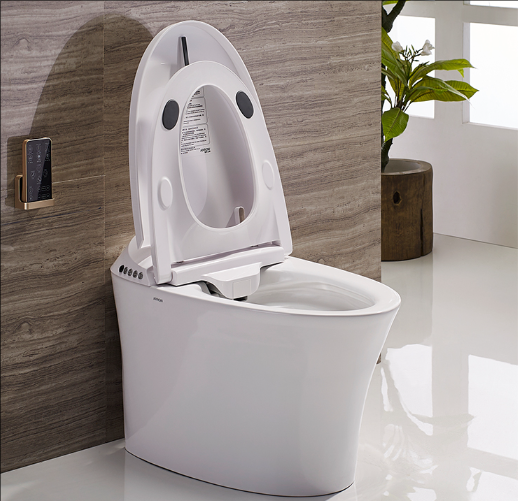
Essential Guidelines for Commercial Restroom Planning
Selecting appropriate toilets for large-scale commercial restroom installations represents a significant investment that impacts both facility operations and user satisfaction. From office buildings and shopping centers to educational institutions and healthcare facilities, the right commercial toilet selection can mean the difference between smooth operations and constant maintenance headaches. This comprehensive guide explores the crucial factors to consider when choosing toilets for commercial applications, ensuring durability, efficiency, and user comfort.
Key Considerations for Commercial Toilet Selection
Water Efficiency and Environmental Impact
Modern commercial toilet selection must prioritize water conservation without compromising performance. Today's high-efficiency toilets use as little as 1.28 gallons per flush (GPF), compared to older models that consumed 3.5 GPF or more. This significant reduction in water usage translates to substantial cost savings and environmental benefits over the fixture's lifetime.
Look for WaterSense-certified models that meet strict EPA guidelines for water efficiency. These toilets undergo rigorous testing to ensure they deliver powerful flushing performance while maintaining water conservation standards. The initial investment in water-efficient fixtures typically pays for itself through reduced utility bills within the first few years of installation.
Durability and Material Quality
Commercial toilets must withstand frequent use and potential abuse in high-traffic environments. Vitreous china remains the industry standard for toilet construction, offering excellent durability and stain resistance. When evaluating commercial toilet selection options, pay special attention to the quality of internal components, including flush valves and trapways.
Commercial-grade toilets should feature heavy-duty components that resist corrosion and wear. Look for models with solid brass fittings and chemical-resistant parts that can withstand harsh cleaning agents. The thickness and quality of the porcelain also play crucial roles in long-term durability.
Design and Installation Considerations
Space Planning and Configuration
The physical layout of your commercial restroom significantly influences toilet selection. Consider factors such as available space, required clearances, and accessibility requirements. Wall-hung toilets can maximize floor space and facilitate cleaning, while floor-mounted models often provide more stability in high-traffic areas.
Proper commercial toilet selection must account for plumbing rough-in measurements and existing infrastructure. Standard rough-in distances typically range from 10 to 14 inches, with 12 inches being most common. Verify these measurements before finalizing any toilet selection to avoid costly modifications during installation.
Compliance and Accessibility
ADA compliance is non-negotiable in commercial restroom design. Your commercial toilet selection must include fixtures that meet specific height, clearance, and operational force requirements. Standard ADA-compliant toilets should have a seat height between 17 and 19 inches and provide adequate space for wheelchair transfers.
Beyond basic ADA requirements, consider additional accessibility features such as hands-free operation and enhanced grip supports. These elements not only ensure compliance but also improve user experience for all patrons, regardless of physical abilities.
Performance and Maintenance Features
Flushing Systems and Technology
Modern commercial toilet selection includes various flushing technologies, each with distinct advantages. Pressure-assisted systems provide powerful flushing action ideal for high-traffic locations, while gravity-fed systems offer reliable, quieter operation. Dual-flush options allow users to select appropriate water volume based on waste type.
Advanced flushing technologies incorporate features like glazed trapways and optimized rim holes to enhance performance and reduce maintenance needs. Some models include antimicrobial surfaces that inhibit bacteria growth and simplify cleaning procedures.
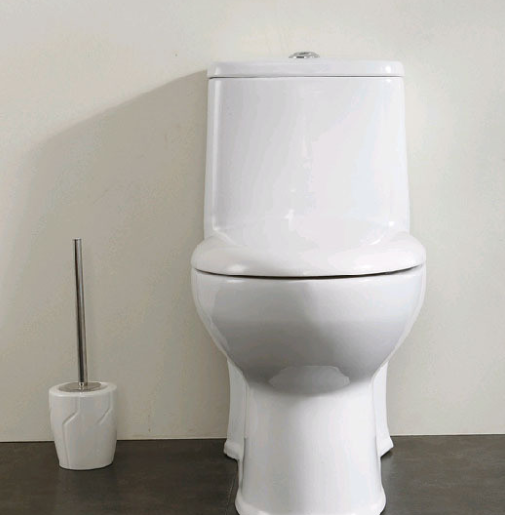
Maintenance Requirements
Easy maintenance should be a primary factor in commercial toilet selection. Look for designs that minimize hard-to-reach areas and facilitate quick parts replacement. Skirted toilets, for instance, eliminate external trapways that collect dust and debris, making cleaning more efficient.
Consider the availability and cost of replacement parts when evaluating different models. Standardizing toilet types across your facility can simplify maintenance procedures and reduce the inventory of spare parts needed on hand.
Cost Considerations and Long-term Value
Initial Investment Analysis
While upfront costs influence commercial toilet selection, focus on total ownership cost rather than purchase price alone. Factor in installation expenses, expected maintenance requirements, and potential water savings. Premium models often justify their higher initial cost through reduced maintenance needs and operational savings.
Calculate potential return on investment by considering water usage, maintenance hours, and replacement part costs over the expected life of the fixtures. High-quality commercial toilets typically last 15-20 years or more when properly maintained.
Long-term Operating Costs
Evaluate long-term operating costs as part of your commercial toilet selection process. Water-efficient models may command premium prices but can deliver significant savings over time. Consider factors such as water rates, sewage costs, and anticipated maintenance expenses when comparing different options.
Energy costs associated with water heating and processing should also factor into your decision. Some facilities may benefit from installing greywater systems or other water-conservation measures in conjunction with efficient toilet fixtures.
Frequently Asked Questions
What are the most important factors to consider in commercial toilet selection?
The key factors include water efficiency, durability, compliance with accessibility standards, maintenance requirements, and total cost of ownership. Consider your specific facility needs, user volume, and available maintenance resources when evaluating these factors.
How do I determine the right flush volume for my facility?
Evaluate your facility's water pressure, user volume, and environmental goals. Most modern commercial installations benefit from high-efficiency toilets using 1.28 GPF or dual-flush systems. Ensure the selected flush volume provides adequate waste removal for your specific application.
Should I choose floor-mounted or wall-hung toilets?
This decision depends on various factors including floor structure, maintenance preferences, and cleaning requirements. Wall-hung toilets offer easier floor cleaning and space savings but may require stronger wall support and more complex installation. Floor-mounted models typically provide simpler installation and maintenance.
How can I ensure my toilet selection meets ADA requirements?
Work with qualified suppliers and designers familiar with ADA standards. Verify toilet height, clear floor space, grab bar mounting locations, and flush control accessibility. Document compliance measures during the selection and installation process to maintain proper records.