
 EN
EN
Modern homeowners increasingly recognize that a complete shower system transforms the entire bathing experience from a routine necessity into a luxurious daily retreat. Unlike standard shower fixtures that offer basic functionality, a complete shower system integrates multiple components to deliver comprehensive coverage, enhanced water pressure, and customizable comfort settings that elevate everyday hygiene routines to spa-like experiences.
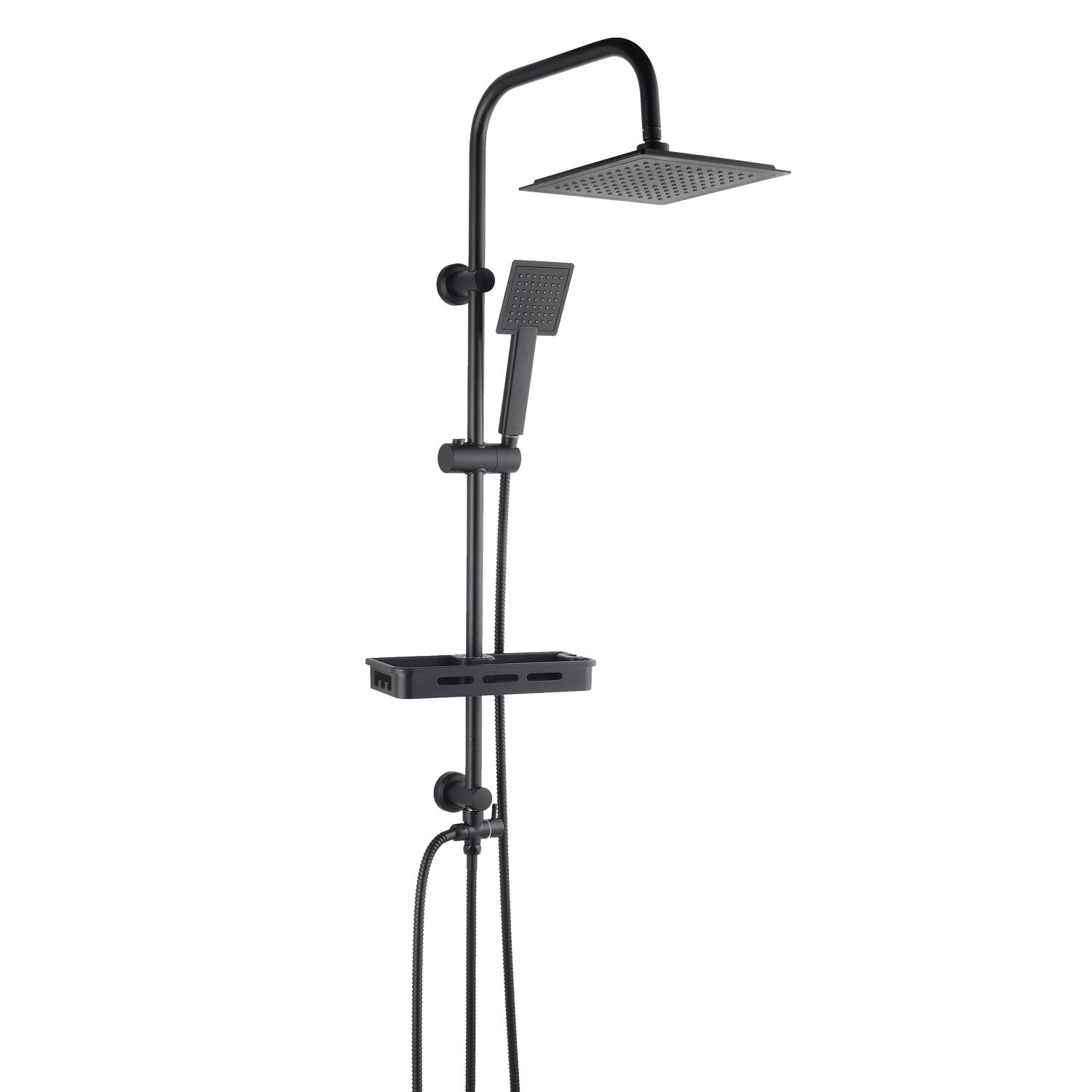
The distinction between traditional shower fixtures and a complete shower system lies in the comprehensive approach to water delivery and user comfort. Traditional setups typically feature a single showerhead connected to basic plumbing, while a complete shower system incorporates multiple water outlets, advanced pressure regulation, and ergonomic design elements that work together harmoniously. This integrated approach ensures consistent performance across all components while maximizing water efficiency and user satisfaction.
Investment in a complete shower system represents a significant upgrade that impacts both immediate comfort and long-term property value. The enhanced functionality extends beyond mere convenience, addressing practical concerns such as water conservation, maintenance simplicity, and durability that homeowners increasingly prioritize. Understanding these comprehensive benefits helps property owners make informed decisions about bathroom renovations and fixture upgrades.
Essential Components of Modern Complete Shower Systems
Multi-Function Showerhead Technology
Contemporary complete shower system designs incorporate advanced showerhead technology that provides multiple spray patterns and pressure settings to accommodate diverse user preferences. These sophisticated fixtures typically feature rainfall settings for gentle, wide coverage, massage jets for therapeutic muscle relief, and precision sprays for targeted cleaning. The ability to switch between different modes during a single shower session allows users to customize their experience based on mood, time constraints, or specific cleansing needs.
High-quality showerheads within a complete shower system utilize innovative engineering to maintain consistent water pressure regardless of household demand fluctuations. This technology ensures that users enjoy reliable performance during peak usage times when multiple water sources operate simultaneously throughout the home. Advanced models incorporate flow restrictors and aerators that reduce water consumption without compromising spray intensity or coverage area.
The materials and construction quality of showerheads significantly impact long-term performance and maintenance requirements. Premium complete shower system components feature corrosion-resistant finishes, replaceable internal mechanisms, and easy-clean surfaces that resist mineral buildup. These design considerations extend product lifespan while minimizing ongoing maintenance efforts and replacement costs.
Integrated Valve and Control Systems
The heart of any complete shower system lies in its valve and control mechanisms, which regulate water temperature, pressure, and flow distribution across multiple outlets. Modern thermostatic mixing valves provide precise temperature control with safety features that prevent scalding while maintaining consistent heat levels throughout the shower duration. These advanced controls eliminate the temperature fluctuations common in basic shower setups, particularly when other household water sources activate during use.
Digital control interfaces in premium complete shower system installations offer programmable settings that remember individual user preferences for temperature, flow rate, and spray patterns. These smart controls can store multiple user profiles, enabling family members to instantly access their preferred shower settings with simple button presses. Some systems integrate smartphone connectivity for remote activation and monitoring, allowing users to preheat their shower before entering the bathroom.
Pressure balancing technology within complete shower system valves ensures safe and comfortable water delivery by automatically adjusting flow rates when household water pressure changes. This feature prevents dangerous temperature spikes or sudden pressure drops that can occur when toilets flush, washing machines cycle, or other fixtures operate simultaneously. The result is a consistently comfortable and safe shower experience regardless of external water demand fluctuations.
Comfort Enhancement Through Advanced Water Delivery
Optimized Water Pressure and Flow Distribution
A well-designed complete shower system maximizes water pressure efficiency through strategic component placement and engineered flow pathways that eliminate common pressure loss points. Unlike basic shower installations where water travels through multiple restrictive connections, integrated systems utilize direct routing and larger diameter supply lines that maintain optimal pressure from source to outlet. This engineering approach ensures that users experience robust water flow even in homes with moderate water pressure.
Multi-outlet configurations in a complete shower system distribute water evenly across body zones, creating immersive coverage that traditional single-head setups cannot achieve. Body sprays positioned at strategic heights target shoulders, back, and legs while the primary overhead fixture provides comprehensive head and torso coverage. This coordinated water delivery creates a therapeutic environment that promotes relaxation and thorough cleansing.
Flow rate optimization within complete shower system designs balances water conservation with performance requirements through intelligent engineering. Advanced systems incorporate variable flow technology that adjusts output based on selected spray patterns, reducing consumption during gentle rainfall modes while maintaining full pressure for massage functions. This adaptive approach minimizes water waste without compromising user experience quality.
Temperature Stability and Safety Features
Temperature consistency represents a critical comfort factor that distinguishes complete shower system installations from basic fixture arrangements. Integrated thermostatic controls maintain precise water temperature regardless of supply line fluctuations, eliminating the uncomfortable temperature variations that plague standard shower setups. These systems respond instantly to pressure changes, automatically adjusting hot and cold water mixing ratios to preserve desired temperature settings.
Safety mechanisms built into complete shower system designs protect users from scalding while ensuring adequate hot water delivery for comfortable bathing. Anti-scald technology limits maximum water temperature to safe levels while pressure-balancing valves prevent sudden temperature spikes caused by supply line changes. These features provide peace of mind for families with children, elderly members, or individuals with mobility limitations who may be vulnerable to shower-related injuries.
Advanced complete shower system models incorporate thermal memory functions that remember previous temperature settings and quickly restore preferred heat levels upon activation. This convenience feature eliminates the trial-and-error process of finding comfortable temperatures, particularly beneficial during early morning routines when users prefer minimal adjustment time. Some systems include gradual warming cycles that slowly increase temperature to preferred levels, preventing shock from sudden temperature changes.
Design Integration and Aesthetic Appeal
Cohesive Visual Styling
Modern complete shower system designs prioritize aesthetic cohesion through coordinated finishes, proportional scaling, and architectural integration that enhances overall bathroom appearance. Manufacturers offer comprehensive collections where all components share consistent design languages, ensuring visual harmony between showerheads, controls, spouts, and accessories. This coordinated approach creates sophisticated appearances that complement contemporary bathroom designs while avoiding the mismatched look common with assembled individual components.
Finish options for complete shower system installations span diverse style preferences, from classic chrome and brushed nickel to contemporary matte black and gold accent finishes. These coordinated finishes extend across all system components, creating unified visual themes that integrate seamlessly with existing bathroom fixtures and hardware. Premium finishes incorporate protective coatings that resist corrosion, scratching, and water spotting while maintaining their appearance over extended periods.
Space optimization features in complete shower system designs maximize functionality within existing bathroom layouts without requiring extensive structural modifications. Compact valve housings, streamlined control panels, and efficient component arrangements allow complete systems to fit within standard shower enclosures while providing enhanced features. This thoughtful engineering enables homeowners to upgrade their shower experience without expensive bathroom expansions or major renovation projects.
Customization Options and Flexibility
Contemporary complete shower system offerings provide extensive customization options that accommodate diverse user preferences, bathroom configurations, and design requirements. Modular component selection allows homeowners to choose specific combinations of showerheads, body sprays, and control systems that match their usage patterns and space constraints. This flexibility ensures that each installation optimizes functionality for individual household needs rather than following one-size-fits-all approaches.
Height adjustability features in complete shower system designs accommodate users of varying statures while maintaining optimal water coverage and comfort. Sliding shower bars, adjustable mounting brackets, and variable-height body sprays ensure that all family members enjoy proper water positioning without compromising system performance. These adaptive features particularly benefit households with significant height differences among regular users.
Accessory integration capabilities within complete shower system frameworks allow for future upgrades and modifications without replacing core components. Built-in mounting points, standard connection interfaces, and expandable control systems enable homeowners to add features such as steam generators, aromatherapy dispensers, or additional body sprays as desires and budgets evolve. This forward-thinking design approach protects initial investments while providing growth potential.
Installation and Maintenance Considerations
Professional Installation Requirements
Complete shower system installation typically requires professional plumbing expertise to ensure proper integration with existing water supply lines, adequate pressure regulation, and code compliance. Licensed plumbers possess the specialized knowledge needed to assess household water pressure, determine appropriate valve sizing, and configure supply connections that optimize system performance. Professional installation also ensures warranty coverage and proper system commissioning that validates all safety and performance features.
Structural considerations for complete shower system installation may require reinforcement of mounting surfaces, particularly for heavy rainfall showerheads or multiple body spray configurations. Professional installers evaluate wall construction, identify appropriate mounting points, and implement necessary reinforcements to ensure secure fixture attachment and long-term stability. These structural assessments prevent future problems related to inadequate mounting support or water damage from loose connections.
Electrical requirements for advanced complete shower system features such as digital controls, LED lighting, or steam generation necessitate coordination between plumbing and electrical contractors. Professional installation teams ensure proper GFCI protection, appropriate circuit sizing, and code-compliant wiring practices that prioritize safety in wet bathroom environments. This multi-trade coordination prevents costly rework and ensures all system components operate safely and reliably.
Long-Term Maintenance and Care
Maintenance requirements for complete shower system installations focus on preserving water quality, preventing mineral buildup, and ensuring continued performance across all components. Regular cleaning schedules that address showerhead aerators, control mechanisms, and visible surfaces help maintain optimal flow rates and appearance quality. Most complete shower system manufacturers provide specific maintenance guidelines that outline recommended cleaning products, frequencies, and procedures for their particular components.
Water quality considerations significantly impact complete shower system longevity, particularly in areas with hard water or high mineral content. Installing appropriate filtration systems or water softening equipment protects internal components from scale buildup while preserving finish quality and operational efficiency. These preventive measures extend system lifespan and reduce maintenance frequency while maintaining peak performance levels.
Component accessibility within well-designed complete shower system installations facilitates routine maintenance and occasional repairs without extensive disassembly requirements. Quality systems incorporate removable faceplates, accessible valve cartridges, and serviceable internal mechanisms that trained technicians can maintain efficiently. This serviceability reduces long-term ownership costs while ensuring continued reliable operation throughout the system's expected lifespan.
Energy Efficiency and Water Conservation
Smart Water Management Technology
Modern complete shower system designs incorporate intelligent water management features that reduce consumption without compromising user comfort or functionality. Flow sensors monitor usage patterns and automatically adjust output based on actual requirements, preventing waste during soap application or hair washing phases when direct water contact isn't necessary. These smart features can reduce total water consumption by twenty to thirty percent compared to traditional constant-flow shower systems.
Timing controls within advanced complete shower system installations allow users to preset shower durations that automatically reduce flow or provide gentle reminders when target times are reached. These features promote water conservation awareness while helping households manage utility costs and environmental impact. Some systems include family-friendly interfaces that gamify water conservation efforts, encouraging responsible usage habits among all household members.
Recirculation technology in premium complete shower system models captures and reuses water during the heating phase, eliminating the waste associated with waiting for hot water to reach fixtures. This innovative feature particularly benefits homes with long pipe runs between water heaters and bathrooms, where significant volumes typically go down the drain before reaching desired temperatures. The recovered water can be redirected to other household uses or temporarily stored for later shower phases.
Energy Efficient Heating Integration
Complete shower system compatibility with high-efficiency water heating systems maximizes energy conservation while ensuring adequate hot water supply for extended or multiple simultaneous uses. Tankless water heater integration provides unlimited hot water capacity while reducing standby energy losses associated with traditional storage systems. These combinations particularly benefit large households or homes with multiple bathrooms where hot water demand frequently exceeds conventional capacity.
Heat recovery features in sophisticated complete shower system installations capture thermal energy from drain water and transfer it back to incoming cold water supplies. This technology can recover up to sixty percent of the energy content from shower drain water, significantly reducing overall water heating costs while maintaining full functionality. Heat recovery systems work seamlessly with existing complete shower system components without affecting user experience or comfort levels.
Insulation requirements for complete shower system supply lines prevent heat loss during water transport and reduce the energy needed to maintain desired temperatures. Proper insulation installation protects hot water pipes throughout their routing path, ensuring that heated water reaches fixtures at optimal temperatures while minimizing energy waste. These efficiency measures compound over time, generating substantial utility savings while reducing household environmental impact.
FAQ
What components are typically included in a complete shower system
A complete shower system typically includes a thermostatic mixing valve, primary rainfall showerhead, handheld shower attachment, body spray jets, integrated control panel, and all necessary mounting hardware and trim pieces. Premium systems may also include digital controls, LED lighting, steam capability, and smart connectivity features. The exact components vary by manufacturer and model, but all complete shower system packages provide coordinated elements that work together for optimal performance and aesthetic unity.
How much water pressure is required for optimal complete shower system performance
Most complete shower system installations require minimum water pressure between 20-30 PSI for basic operation, with optimal performance achieved at 45-60 PSI throughout the household plumbing system. Homes with lower pressure may require booster pumps or pressure-enhancing components to achieve full functionality across all outlets. Professional assessment of existing water pressure helps determine whether additional equipment is needed to support complete shower system operation effectively.
Can a complete shower system be installed in existing bathroom spaces
Yes, most complete shower system installations can be accommodated within existing bathroom spaces with proper planning and professional installation. The key considerations include adequate wall depth for valve housing, sufficient water supply capacity, and appropriate structural support for heavier components. Some installations may require minor modifications to plumbing or electrical systems, but extensive bathroom reconstruction is typically unnecessary for complete shower system upgrades.
What maintenance is required to keep a complete shower system functioning properly
Regular maintenance for a complete shower system includes monthly cleaning of showerheads and aerators to prevent mineral buildup, quarterly inspection of control mechanisms and connections, and annual professional servicing of internal valve components. Water quality considerations may require more frequent attention in hard water areas, while quality filtration systems can reduce maintenance frequency. Most manufacturers provide detailed maintenance schedules that outline specific requirements for their complete shower system components and recommend appropriate cleaning products and procedures.
Table of Contents
- Essential Components of Modern Complete Shower Systems
- Comfort Enhancement Through Advanced Water Delivery
- Design Integration and Aesthetic Appeal
- Installation and Maintenance Considerations
- Energy Efficiency and Water Conservation
-
FAQ
- What components are typically included in a complete shower system
- How much water pressure is required for optimal complete shower system performance
- Can a complete shower system be installed in existing bathroom spaces
- What maintenance is required to keep a complete shower system functioning properly