
 EN
EN
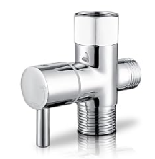
An angle valve serves as a critical control component in plumbing systems, specifically engineered to provide reliable shut-off capabilities during maintenance procedures and emergency situations. Unlike straight-through valves, an angle valve redirects flow at a 90-degree angle while simultaneously offering precise control over water or fluid movement, making it an essential component for both routine maintenance access and rapid emergency response scenarios.
The fundamental design of an angle valve incorporates both flow direction change and shut-off functionality into a single compact unit, eliminating the need for separate elbow fittings and isolation valves. This integrated approach significantly enhances maintenance accessibility while providing immediate emergency shut-off capabilities that can prevent water damage, reduce system pressure, and create safe working conditions for technicians and building occupants alike.
Maintenance Support Mechanisms in Angle Valve Design
Isolation Capability for System Maintenance
The primary maintenance advantage of an angle valve lies in its ability to isolate specific sections of a plumbing system without affecting the entire network. When maintenance work requires access to downstream components such as fixtures, appliances, or piping sections, the angle valve can be closed to create a dry work environment while maintaining water supply to other areas of the building.
This isolation capability proves particularly valuable in commercial and residential settings where complete system shutdown would disrupt daily operations. Maintenance technicians can focus on specific repairs or replacements without the pressure and safety concerns associated with working on live water lines, while building occupants continue to have access to water services in unaffected areas.
The angle valve design also facilitates easier access to valve components compared to inline valves, as the 90-degree configuration often positions the valve handle or actuator in a more accessible location relative to wall-mounted installations or tight spaces where straight valves might be difficult to operate.
Pressure Relief and System Draining
During maintenance procedures, an angle valve supports pressure relief operations that are essential for safe working conditions. By closing the angle valve and opening downstream fixtures, technicians can effectively drain the isolated section and relieve any residual pressure that might otherwise create safety hazards or complicate repair work.
The angle valve configuration naturally accommodates gravity draining in many installations, as the 90-degree flow path often aligns with vertical drainage requirements. This design characteristic reduces the time required to achieve complete system drainage and minimizes the risk of water retention that could interfere with maintenance activities or create freeze damage in cold weather conditions.
Additionally, the angle valve can serve as a controlled re-pressurization point when maintenance work is complete, allowing technicians to gradually restore system pressure while monitoring for leaks or other issues that might have developed during the maintenance process.
Emergency Shut-off Functionality and Response
Rapid Flow Interruption Capabilities
In emergency situations, an angle valve provides immediate flow interruption capabilities that can prevent catastrophic water damage and create safe conditions for emergency response. The valve mechanism is designed for quick operation, typically featuring either a quarter-turn ball valve design or a multi-turn gate valve configuration that allows for rapid closure under emergency conditions.
The strategic placement of an angle valve in plumbing systems often positions these emergency shut-off points at critical junctions where quick access is possible during crisis situations. This positioning allows building occupants or emergency responders to rapidly isolate water flow to damaged areas without requiring specialized tools or extensive system knowledge.
The angle valve design inherently provides better shut-off performance compared to some other valve types because the flow path geometry creates more effective sealing characteristics when the valve is closed, ensuring complete flow interruption even under high pressure conditions that might be present during emergency scenarios.
System Protection and Damage Limitation
Emergency shut-off capabilities of an angle valve extend beyond simple flow control to provide comprehensive system protection during crisis situations. When pipe bursts, fixture failures, or other plumbing emergencies occur, the angle valve can isolate the affected area while maintaining water supply to critical areas such as fire suppression systems, emergency facilities, or unaffected building sections.
The angle valve also protects upstream system components from damage that might result from downstream failures. By closing the valve during emergencies, pressure surges, backflow conditions, and contamination risks can be contained, preventing secondary damage that could extend repair costs and recovery time significantly.
In multi-story buildings or complex plumbing networks, strategically placed angle valves create multiple emergency isolation points that allow for granular control during crisis situations, enabling emergency responders to isolate problems with surgical precision rather than shutting down entire building systems unnecessarily.
Operational Advantages During Critical Situations
Accessibility and User-Friendly Operation
The design characteristics of an angle valve inherently support ease of operation during both maintenance and emergency situations. The valve handle or actuator positioning in angle valve installations typically provides better access compared to inline valves, particularly in confined spaces or wall-mounted configurations where the 90-degree orientation creates more favorable operating angles.
This accessibility advantage becomes critical during emergency situations when rapid valve operation may be required by individuals who are not familiar with the specific plumbing system layout. The intuitive operation and clear visual indication of valve position help ensure successful emergency shut-off even under stressful conditions or limited lighting situations.
Many angle valve designs incorporate color-coding, directional arrows, or other visual indicators that enhance operational clarity during critical situations, reducing the risk of operator error when quick decision-making is essential for preventing property damage or safety hazards.
Integration with Building Safety Systems
An angle valve can be integrated with building automation and safety systems to provide automated emergency shut-off capabilities that respond to leak detection sensors, fire alarm activation, or other emergency triggers. This integration enhances the protective value of the valve beyond manual operation, creating multiple layers of emergency response capability.
The angle valve design accommodates various actuator types, including electric, pneumatic, and hydraulic operators that can be controlled remotely or automatically in response to emergency conditions. This automation capability is particularly valuable in large buildings or industrial facilities where manual valve operation might not be feasible during emergency situations.
Smart building systems can monitor angle valve position and operation status, providing real-time feedback about emergency shut-off actions and helping facility managers coordinate response efforts more effectively during crisis situations.
Long-term Reliability and Maintenance Benefits
Durability Under Emergency Operating Conditions
The structural design of an angle valve provides enhanced durability characteristics that support reliable operation during both routine maintenance and emergency conditions. The valve body configuration distributes stress loads more effectively than some alternative designs, reducing the risk of failure under the high-stress conditions that often accompany emergency situations.
Emergency shut-off operations typically involve rapid valve closure under full system pressure, creating significant stress on valve components. The angle valve design incorporates robust sealing systems and reinforced closure mechanisms that maintain integrity even when subjected to these demanding operating conditions repeatedly over the valve's service life.
The materials and construction methods used in angle valve manufacturing specifically account for the thermal and pressure cycling that occurs during emergency operations, ensuring that the valve maintains reliable shut-off capability throughout its intended service life without degradation of performance characteristics.
Preventive Maintenance and System Longevity
Regular maintenance enabled by angle valve isolation capabilities contributes significantly to overall plumbing system longevity and reliability. By facilitating safe access to system components, the angle valve supports preventive maintenance programs that can identify and address potential issues before they develop into emergency situations requiring shut-off intervention.
The ability to isolate system sections for maintenance also reduces the frequency of full system shutdowns, minimizing disruption to building operations while ensuring that maintenance activities can be conducted safely and effectively. This approach supports both component longevity and system reliability over extended service periods.
An angle valve itself requires minimal maintenance while providing maximum system protection value, making it a cost-effective component for supporting both routine maintenance operations and emergency response capabilities throughout the building's operational life.
FAQ
What makes an angle valve more effective for emergency shut-off than a standard inline valve?
An angle valve provides superior emergency shut-off effectiveness due to its 90-degree flow path design that creates better sealing characteristics and more accessible valve positioning. The angled configuration typically places the valve operator in a more reachable location and provides clearer visual indication of valve position, enabling faster and more reliable emergency closure compared to inline valves that may be harder to access or operate under stress conditions.
Can an angle valve be automated for remote emergency shut-off operations?
Yes, an angle valve can be equipped with electric, pneumatic, or hydraulic actuators that enable remote or automated emergency shut-off capabilities. These automated systems can be integrated with building management systems, leak detection networks, or fire safety systems to provide immediate response to emergency conditions without requiring manual intervention, significantly improving response time and safety outcomes.
How does angle valve placement affect maintenance accessibility in plumbing systems?
Strategic angle valve placement creates isolated maintenance zones that allow technicians to work on specific system sections while maintaining water service to other areas. The 90-degree configuration often positions valves at natural access points such as fixture connections or equipment interfaces, where the angled orientation provides better clearance for valve operation and maintenance activities compared to inline installations.
What maintenance procedures require angle valve isolation for safe completion?
Angle valve isolation is essential for fixture replacements, pipe repairs, appliance installations, pressure testing, system modifications, and any work involving disconnection of plumbing components. The valve enables complete drainage and depressurization of work areas, creating safe conditions for cutting, soldering, threading, or other maintenance activities that could be dangerous or impossible to perform on pressurized systems.
Table of Contents
- Maintenance Support Mechanisms in Angle Valve Design
- Emergency Shut-off Functionality and Response
- Operational Advantages During Critical Situations
- Long-term Reliability and Maintenance Benefits
-
FAQ
- What makes an angle valve more effective for emergency shut-off than a standard inline valve?
- Can an angle valve be automated for remote emergency shut-off operations?
- How does angle valve placement affect maintenance accessibility in plumbing systems?
- What maintenance procedures require angle valve isolation for safe completion?