
 EN
EN
Installing a shattaf in your bathroom is a transformative upgrade that brings enhanced hygiene and comfort to your daily routine. Whether you're working with a modern en-suite, a compact powder room, or a traditional family bathroom, understanding the proper shattaf installation process ensures you can enjoy this essential fixture regardless of your space constraints. The versatility of modern shattaf systems allows for seamless integration into virtually any bathroom configuration, making it an accessible improvement for homeowners worldwide.
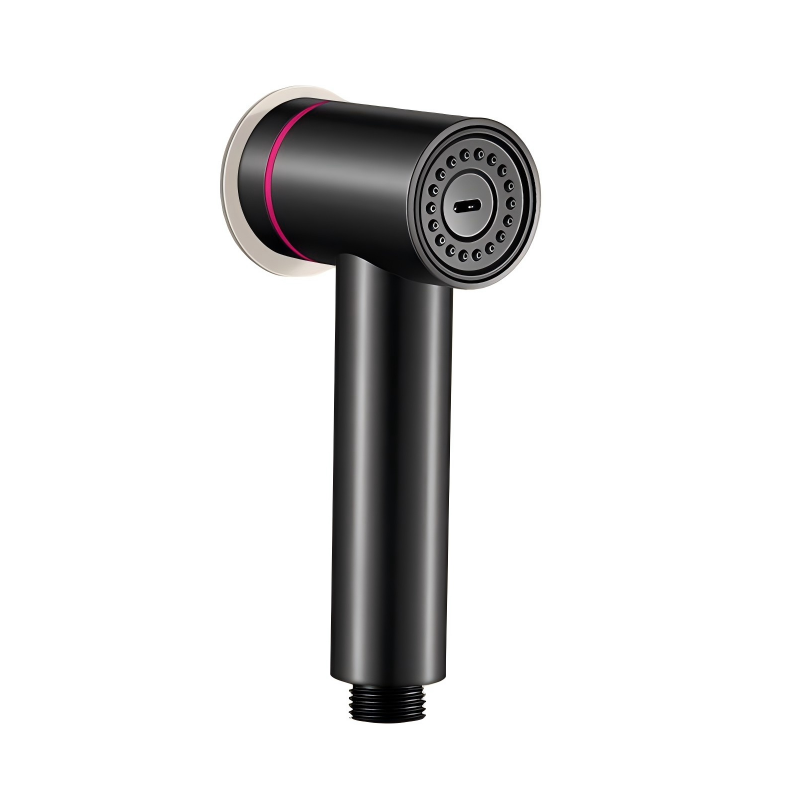
The growing popularity of shattaf systems reflects a global shift toward improved personal hygiene practices and water-efficient bathroom solutions. Modern homeowners increasingly recognize the benefits of incorporating this Middle Eastern innovation into their bathrooms, regardless of their cultural background or existing plumbing infrastructure. The installation process, while requiring attention to detail, can be accomplished by most DIY enthusiasts with basic plumbing knowledge and the right tools.
Understanding Different Bathroom Configurations
Standard Residential Bathrooms
Most residential bathrooms fall into standard configurations that readily accommodate shattaf installation with minimal modifications. These spaces typically feature accessible plumbing connections near the toilet area, making the installation process straightforward. The key to successful shattaf installation in standard bathrooms lies in identifying the optimal mounting position that ensures comfortable use while maintaining adequate clearance for other fixtures.
Standard bathrooms often provide multiple mounting options, including wall-mounted configurations adjacent to the toilet or integrated systems that connect directly to existing water supply lines. The flexibility of modern shattaf designs means you can choose between discrete installations that blend seamlessly with existing décor or statement pieces that serve as focal points in your bathroom design.
Compact and Powder Room Installations
Smaller bathrooms and powder rooms present unique challenges for shattaf installation, but innovative mounting solutions make these installations entirely feasible. Space constraints require careful planning to ensure the shattaf doesn't interfere with door operation or user movement within the confined area. Wall-mounted systems with retractable hoses offer excellent solutions for compact spaces, providing full functionality without permanent space occupation.
The installation approach in compact bathrooms often involves creative routing of water supply lines and strategic placement of control valves to maximize space efficiency. Modern compact shattaf systems are specifically designed for these challenging installations, featuring streamlined profiles and flexible mounting options that adapt to various spatial limitations.
Essential Tools and Materials
Professional-Grade Installation Tools
Successful shattaf installation requires a comprehensive toolkit that ensures precise connections and long-lasting performance. Essential tools include adjustable wrenches, pipe cutters, drill bits suitable for your wall material, measuring tape, and level indicators. Professional-grade tools not only facilitate easier installation but also ensure the quality connections that prevent leaks and maintain system integrity over time.
Specialized plumbing tools such as pipe threading equipment and pressure testing devices become crucial for installations involving new water line connections. While basic installations may not require these advanced tools, having access to professional equipment ensures you can handle unexpected complications that arise during the installation process.
Quality Components and Fittings
The longevity and performance of your shattaf installation depend heavily on the quality of components used throughout the system. High-grade brass fittings, stainless steel mounting hardware, and durable hose assemblies form the foundation of reliable installations. Investing in quality components upfront prevents costly repairs and replacements while ensuring consistent water pressure and temperature control.
Modern shattaf installation kits include comprehensive component packages designed for specific bathroom configurations. These complete systems eliminate guesswork in component selection while ensuring compatibility between all system elements, from water supply connections to mounting brackets and control mechanisms.
Step-by-Step Installation Process
Preparation and Planning Phase
Thorough preparation forms the foundation of successful shattaf installation, beginning with detailed assessment of your existing plumbing infrastructure and bathroom layout. This phase involves identifying optimal mounting locations, measuring available space, and determining the most efficient routing for water supply connections. Proper planning prevents costly mistakes and ensures the installation proceeds smoothly without unexpected complications.
The planning phase also includes selecting the appropriate shattaf model for your specific bathroom configuration and usage requirements. Factors such as water pressure, available mounting space, and user preferences influence the selection process. Creating detailed installation sketches helps visualize the final configuration and identifies potential challenges before beginning the physical installation work.
Water Supply Connection
Establishing reliable water supply connections represents the most critical aspect of shattaf installation, requiring precise attention to pressure ratings and leak prevention. Most installations connect to existing toilet supply lines or nearby plumbing fixtures, utilizing T-connectors or dedicated supply valves. The connection process involves shutting off water supply, installing appropriate fittings, and testing all connections for leaks before finalizing the installation.
Professional-quality connections utilize thread sealant and proper torque specifications to ensure leak-free operation under varying pressure conditions. The water supply system must accommodate both hot and cold water connections for installations featuring temperature control capabilities. Pressure regulation may be necessary in high-pressure systems to prevent damage to delicate internal components.
Mounting Solutions for Various Wall Types
Drywall and Plaster Installation
Installing shattaf systems on drywall or plaster surfaces requires specialized anchoring techniques that distribute mounting loads across sufficient wall area to prevent damage. Toggle bolts, expanding anchors, and wall plugs provide secure mounting solutions when properly sized for the expected loads. The installation process involves locating wall studs when possible or using heavy-duty anchors rated for the combined weight of the shattaf system and operational forces.
Drywall installations benefit from reinforcement plates or backing boards that distribute mounting stress and provide additional stability. These reinforcements prove especially important for heavy shattaf systems or installations subject to frequent use. Proper mounting techniques ensure the system remains securely attached throughout its operational lifetime while protecting the surrounding wall surface from damage.
Tile and Ceramic Surface Mounting
Tile and ceramic surfaces present unique challenges for shattaf installation, requiring specialized drilling techniques and fasteners designed for hard, brittle materials. Diamond-tipped drill bits and careful drilling speeds prevent tile cracking while creating precise mounting holes. The installation process includes waterproof sealants around penetrations to prevent moisture infiltration behind tile surfaces.
Successful tile installations often involve removing individual tiles for access to solid backing materials, then reinstalling tiles around the completed mounting hardware. This approach provides superior holding power while maintaining the aesthetic integrity of tiled surfaces. Careful attention to grout lines and tile alignment ensures the installation appears professionally integrated with existing tile work.
Electrical Considerations and Safety
GFCI Protection Requirements
Shattaf installations involving electrical components require appropriate GFCI protection to ensure user safety in wet bathroom environments. Modern heated shattaf systems and electronic controls must comply with local electrical codes governing bathroom installations. The electrical installation should be performed by qualified electricians familiar with bathroom safety requirements and GFCI protection standards.
GFCI outlets must be properly located to serve shattaf electrical requirements while maintaining required distances from water sources. The electrical supply system should include dedicated circuits for high-power shattaf features such as water heating elements or electronic control systems. Proper grounding and circuit protection prevent electrical hazards while ensuring reliable operation of electronic features.
Waterproofing and Moisture Protection
Comprehensive waterproofing measures protect both the shattaf system and surrounding bathroom structures from moisture damage. Installation areas require appropriate sealing around all penetrations, including water supply connections, electrical conduits, and mounting hardware. High-quality bathroom sealants and gaskets prevent water infiltration that could lead to structural damage or mold growth.
Moisture protection extends beyond immediate installation areas to include ventilation considerations that prevent condensation buildup around shattaf components. Adequate bathroom ventilation ensures electronic components remain dry and functional while preventing moisture-related deterioration of mounting hardware and connections.
Testing and Quality Assurance
Pressure Testing and Leak Detection
Comprehensive pressure testing ensures all connections can withstand normal operating pressures without leaking or failing. The testing process involves gradually increasing water pressure while monitoring all joints, fittings, and connections for signs of leakage. Professional installations include documented pressure tests that verify system integrity before final commissioning.
Leak detection extends beyond visible drips to include monitoring for gradual seepage that might not be immediately apparent. Electronic leak detection equipment can identify minute leaks that could cause long-term damage if left unaddressed. Regular monitoring during the first weeks after installation helps identify any connection issues that develop as the system settles into normal operation.
Functionality and Performance Verification
Complete functionality testing verifies all shattaf features operate correctly and meet performance expectations. This includes testing spray patterns, pressure adjustment capabilities, temperature control accuracy, and any electronic features. The verification process ensures users can effectively operate all system functions and identifies any adjustments needed for optimal performance.
Performance verification includes evaluating water flow rates, pressure consistency, and temperature stability under various operating conditions. These tests ensure the installation provides satisfactory user experience while operating within design parameters. Documentation of performance characteristics provides baseline measurements for future maintenance and troubleshooting activities.
FAQ
What type of water pressure is required for proper shattaf operation?
Most shattaf systems operate effectively with standard residential water pressure ranging from 20 to 80 PSI. However, optimal performance typically occurs within the 30 to 60 PSI range, providing adequate spray force without creating excessive pressure that might damage internal components. If your home has unusually high or low water pressure, pressure regulation devices can ensure optimal shattaf performance while protecting system components from pressure-related damage.
Can I install a shattaf in a bathroom without existing plumbing modifications?
Many shattaf installations can utilize existing plumbing connections with minimal modifications, particularly when connecting to toilet supply lines or nearby fixtures. T-connectors and shut-off valves allow integration with existing plumbing without major alterations. However, installations requiring temperature control or specific pressure requirements might need additional plumbing work, including hot water connections or pressure regulation systems.
How do I maintain my shattaf system after installation?
Regular maintenance ensures long-term performance and prevents common issues such as mineral buildup or seal deterioration. Monthly cleaning with mild bathroom cleaners removes soap residue and mineral deposits, while quarterly inspection of connections identifies potential leak sources before they become problematic. Annual maintenance should include checking hose flexibility, testing all control functions, and replacing any worn seals or gaskets to maintain optimal performance.
Are there specific building code requirements for shattaf installation?
Building code requirements vary by location, but most jurisdictions treat shattaf installations similarly to other plumbing fixtures regarding water supply connections, drainage considerations, and electrical safety requirements. Installations involving electrical components must comply with bathroom electrical codes, including GFCI protection and appropriate circuit sizing. Consulting with local building authorities before beginning installation ensures compliance with all applicable codes and permit requirements.