
 EN
EN
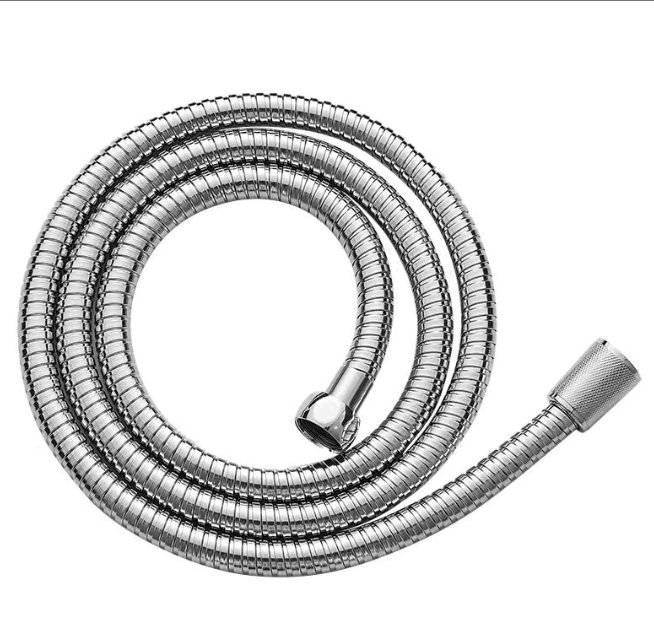
When choosing between shower hose materials, homeowners often face the critical decision of selecting between stainless steel and PVC options. The durability, performance, and long-term value of your shower system largely depend on this choice. A stainless steel shower hose offers superior resistance to corrosion, higher temperature tolerance, and enhanced flexibility compared to traditional PVC alternatives. Understanding the fundamental differences between these materials helps ensure you make an informed decision that meets your specific bathroom needs and budget considerations.
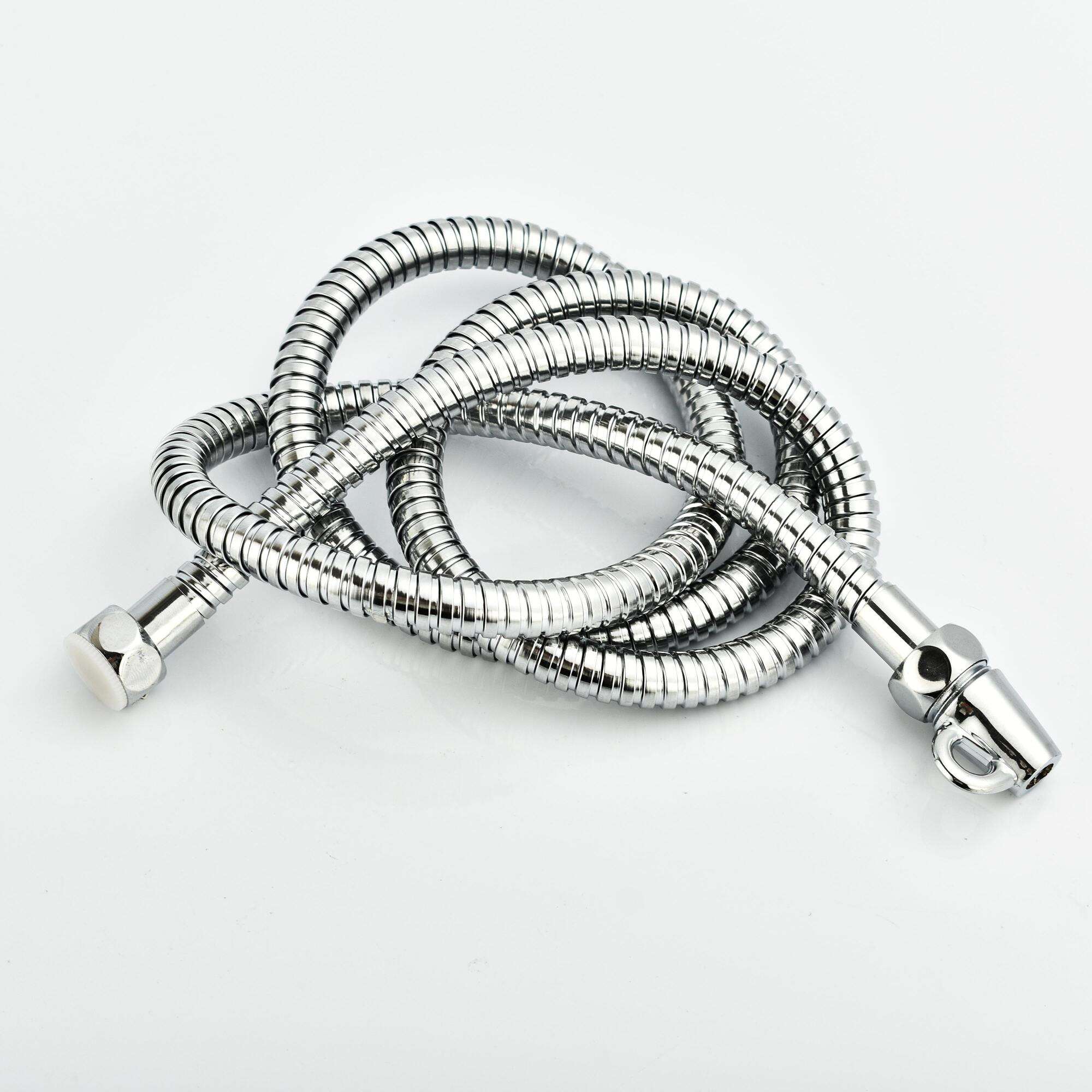
The construction quality and material composition significantly impact the overall performance and lifespan of shower hoses. While PVC hoses have been widely used due to their lower initial cost, they often fall short in terms of durability and resistance to environmental factors. Modern bathroom environments expose shower hoses to constant temperature fluctuations, water pressure variations, and chemical exposure from cleaning products. These conditions demand robust materials that can withstand daily use without compromising functionality or safety.
Material Composition and Construction Quality
Stainless Steel Core Technology
The inner core of a stainless steel shower hose typically consists of high-grade stainless steel mesh or braided construction. This design provides exceptional strength while maintaining flexibility for comfortable use. The stainless steel material resists corrosion from minerals commonly found in water supplies, preventing internal degradation that often affects other materials. The braided construction distributes stress evenly across the hose length, reducing the likelihood of kinking or permanent deformation during regular use.
Quality stainless steel hoses feature multiple layers of protection, including an inner tube made from EPDM rubber or similar materials that resist chemical breakdown. The outer layer consists of tightly woven stainless steel wire that provides structural integrity and protects the inner components from external damage. This multi-layer approach ensures consistent water flow and prevents leaks that commonly develop in single-layer PVC constructions.
PVC Construction Limitations
Traditional PVC shower hoses rely on plastic polymer construction that, while initially flexible, tends to become rigid over time due to plasticizer migration. This chemical process gradually reduces the hose's flexibility and increases susceptibility to cracking under stress. PVC materials also demonstrate limited resistance to temperature extremes, often becoming brittle in cold conditions or softening excessively when exposed to hot water temperatures common in shower applications.
The manufacturing process for PVC hoses typically involves fewer quality control measures compared to stainless steel alternatives. This results in inconsistent wall thickness and potential weak points that may fail prematurely. Additionally, PVC hoses often incorporate fabric reinforcement layers that can absorb moisture and promote bacterial growth over time, creating potential hygiene concerns in bathroom environments.
Durability and Lifespan Comparison
Corrosion Resistance Properties
Stainless steel's inherent corrosion resistance stems from its chromium content, which forms a protective oxide layer on the surface. This natural barrier prevents rust formation and maintains structural integrity even in high-humidity bathroom environments. The stainless steel shower hose construction ensures reliable performance for years without showing signs of corrosion or mineral buildup that commonly affects other materials.
Water quality varies significantly across different regions, with some areas containing high levels of chlorine, sulfur, or mineral content. These chemical compounds can accelerate degradation in vulnerable materials but have minimal impact on properly constructed stainless steel hoses. The material's resistance to chemical attack makes it particularly suitable for areas with hard water or aggressive water treatment chemicals that quickly compromise PVC alternatives.
Temperature and Pressure Tolerance
Modern shower systems often incorporate thermostatic controls and high-pressure pumps that can subject hoses to extreme operating conditions. Stainless steel construction maintains dimensional stability across a wide temperature range, from near-freezing conditions to temperatures exceeding typical domestic hot water settings. This thermal stability prevents expansion and contraction cycles that can weaken connection points and create leak paths in less robust materials.
The pressure rating of quality stainless steel shower hoses typically exceeds standard residential requirements by significant margins. This overengineering provides safety margins that prevent catastrophic failure under surge conditions while ensuring consistent performance throughout the product's service life. PVC hoses, conversely, often operate closer to their maximum pressure ratings, leaving little margin for pressure spikes or system irregularities.
Performance and Functionality Benefits
Water Flow Characteristics
The smooth internal surface of properly manufactured stainless steel shower hoses provides optimal water flow characteristics with minimal friction loss. This design maintains consistent pressure delivery to shower heads while reducing energy waste associated with overcoming flow restrictions. The material's resistance to scale buildup ensures that flow characteristics remain consistent throughout the product's lifespan, unlike PVC alternatives that may develop internal restrictions over time.
Flow consistency becomes particularly important in modern shower systems that rely on precise pressure balance for optimal performance. Variable pressure delivery can affect thermostat accuracy and shower head functionality, leading to uncomfortable showering experiences. Stainless steel construction maintains the hydraulic properties necessary for consistent system performance regardless of installation age or water quality conditions.
Flexibility and Handling
Despite their robust construction, quality stainless steel shower hoses maintain excellent flexibility characteristics that facilitate easy installation and comfortable daily use. The braided construction allows for smooth bending without creating stress concentrations that could lead to premature failure. This flexibility remains consistent over time, unlike PVC materials that may become increasingly stiff or unpredictably soft depending on environmental conditions.
The weight characteristics of stainless steel hoses provide a premium feel while remaining manageable for typical users. The material density contributes to the hose's stability during use, reducing unwanted movement that can create noise or interfere with shower operation. This stability proves particularly beneficial in handheld shower applications where hose behavior directly affects user comfort and control.
Cost Analysis and Value Proposition
Initial Investment Considerations
While stainless steel shower hoses typically require a higher initial investment compared to basic PVC alternatives, the cost differential often represents excellent long-term value when considered against replacement frequency and maintenance requirements. Quality stainless steel construction can provide decades of reliable service under normal operating conditions, effectively amortizing the higher purchase price over an extended period.
The installation costs for both hose types remain comparable, as standard connection methods apply to both materials. However, the reduced likelihood of premature failure with stainless steel construction can eliminate unexpected replacement costs and associated inconvenience. This reliability factor becomes increasingly important in commercial applications or rental properties where maintenance accessibility may be limited.
Long-term Economic Benefits
The extended service life of stainless steel shower hoses provides significant economic advantages through reduced replacement frequency and associated labor costs. Additionally, the material's resistance to degradation helps maintain optimal system efficiency, potentially reducing energy costs associated with water heating and pumping. These cumulative savings often exceed the initial price premium within the first few years of operation.
Property value considerations also favor durable fixture selections, as quality bathroom components contribute to overall home value assessments. Stainless steel shower hoses represent the type of detail-oriented upgrade that appeals to quality-conscious buyers and can differentiate properties in competitive markets. This value retention aspect makes the higher initial investment financially prudent for most homeowners.
Installation and Maintenance Requirements
Installation Best Practices
Proper installation of stainless steel shower hoses requires attention to connection torque specifications and the use of appropriate sealing materials. The robust construction allows for secure connections without risk of overtightening damage that might occur with more fragile materials. Standard plumbing tools and techniques apply, making professional installation straightforward for experienced contractors.
The dimensional stability of stainless steel construction ensures that initial installation measurements remain accurate throughout the product's service life. This consistency prevents issues with clearances or interference that might develop as PVC materials change shape over time. Proper support and routing during installation help maximize the inherent durability advantages of stainless steel construction.
Maintenance and Care Protocols
Routine maintenance for stainless steel shower hoses primarily involves periodic cleaning to maintain appearance and prevent mineral buildup on external surfaces. The corrosion-resistant properties eliminate concerns about internal degradation, simplifying long-term care requirements. Standard bathroom cleaning products are generally safe for use with stainless steel surfaces, though manufacturer recommendations should always be followed.
The ability to withstand chemical cleaning agents makes stainless steel hoses suitable for aggressive cleaning protocols that might be necessary in commercial applications or areas with particularly challenging water chemistry. This chemical resistance extends the practical service life by enabling thorough cleaning without material damage concerns that limit maintenance options for other materials.
FAQ
How long do stainless steel shower hoses typically last compared to PVC versions
Quality stainless steel shower hoses can provide 15-20 years of reliable service under normal residential conditions, while PVC hoses typically require replacement every 3-5 years. The extended lifespan results from superior corrosion resistance, temperature stability, and mechanical durability that prevents the common failure modes affecting PVC construction.
Are stainless steel shower hoses safe for drinking water applications
Yes, food-grade stainless steel shower hoses meet drinking water safety standards and do not leach harmful chemicals into the water supply. Unlike some PVC formulations that may contain plasticizers or other additives, properly manufactured stainless steel provides an inert barrier that maintains water purity throughout the distribution system.
Do stainless steel shower hoses require special tools for installation
Standard plumbing tools are sufficient for installing stainless steel shower hoses, including adjustable wrenches and pipe thread sealant. The robust construction actually makes installation easier in some respects, as the material can withstand normal installation torque without risk of damage that might occur with more fragile alternatives.
Can stainless steel shower hoses handle high water pressure systems
Quality stainless steel shower hoses are engineered to exceed typical residential pressure requirements and can safely operate in high-pressure applications that would quickly damage PVC alternatives. The braided construction and robust materials provide substantial safety margins that accommodate pressure variations and system irregularities without compromising performance or safety.