 EN
EN
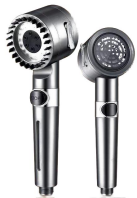
Modern bathroom fixtures face constant challenges from mineral deposits, soap residue, and hard water buildup that can significantly impact performance over time. An anti-clog shower head represents a revolutionary advancement in bathroom technology, designed to maintain optimal water flow and pressure despite these common issues. These innovative fixtures incorporate specialized features that prevent blockages from forming while ensuring consistent performance throughout their operational lifespan. The engineering behind anti-clog shower head systems focuses on materials, nozzle design, and maintenance accessibility to deliver superior user experiences.
Advanced Nozzle Technology and Design Principles
Silicone Nozzle Innovation
The cornerstone of effective anti-clog shower head performance lies in advanced silicone nozzle technology. These flexible rubber nozzles resist mineral buildup more effectively than traditional plastic or metal alternatives. The soft silicone material allows users to easily wipe away calcium deposits and soap scum with simple finger pressure, maintaining clear water pathways without requiring harsh cleaning chemicals or tools.
Premium silicone nozzles demonstrate exceptional durability under continuous exposure to hot water and steam conditions. The material's inherent flexibility prevents cracking and deterioration that commonly affects rigid nozzle materials over extended use periods. This resilience translates directly into sustained performance levels and reduced maintenance requirements for homeowners seeking long-term reliability from their bathroom fixtures.
Strategic Nozzle Placement and Configuration
Engineering excellence in anti-clog shower head design extends beyond material selection to encompass precise nozzle placement and configuration strategies. Manufacturers optimize spacing between individual nozzles to minimize interference patterns while maximizing coverage area and pressure distribution. This careful arrangement prevents water stagnation points where mineral deposits typically accumulate in conventional shower heads.
The geometric configuration of nozzle arrays also influences self-cleaning capabilities during normal operation. Strategic angling and positioning create turbulent water flow patterns that naturally dislodge loose debris and prevent sediment accumulation. These design principles ensure that each anti-clog shower head maintains peak performance characteristics through regular use cycles without requiring frequent manual intervention.
Material Science and Corrosion Resistance
Virgin ABS Construction Benefits
High-quality anti-clog shower head models utilize virgin ABS plastic construction to achieve superior chemical resistance and structural integrity. Virgin ABS materials offer enhanced impact resistance compared to recycled plastic alternatives, ensuring consistent performance under varying water pressure conditions and temperature fluctuations. This material choice directly contributes to extended service life and maintained aesthetic appearance over years of daily use.
The non-porous surface characteristics of virgin ABS create inhospitable conditions for bacterial growth and mineral adhesion. This property significantly reduces the frequency of deep cleaning requirements while maintaining hygienic conditions throughout the fixture's operational period. Users benefit from sustained water quality and reduced maintenance burden when selecting shower heads constructed from these premium materials.
Electroplating and Surface Treatment
Professional electroplating processes enhance both the aesthetic appeal and functional performance of quality anti-clog shower head systems. These surface treatments create uniform, dense protective layers that resist corrosion from chlorinated water and atmospheric moisture. The resulting finish maintains its appearance and protective qualities significantly longer than standard painted or powder-coated alternatives.
Advanced electroplating techniques also contribute to easier cleaning and maintenance procedures. The smooth, non-reactive surface finish prevents soap residue and mineral deposits from forming strong chemical bonds with the fixture surface. This characteristic allows for effortless cleaning using standard bathroom cleaners and reduces the likelihood of permanent staining or discoloration over time.
Water Pressure Optimization and Flow Control
Multi-Setting Functionality
Contemporary anti-clog shower head designs incorporate multiple spray settings to accommodate diverse user preferences and specific cleaning requirements. These settings typically include rainfall, massage, mist, and combination modes that maintain consistent performance regardless of the selected option. The anti-clog features remain effective across all operational modes, ensuring reliable function throughout the fixture's range of capabilities.
The internal mechanism that enables setting changes also benefits from anti-clog design principles. Smooth operation between modes prevents mechanical wear that could compromise sealing surfaces or create additional points for debris accumulation. This integrated approach ensures that anti-clog shower head systems maintain their versatility and user-friendly operation throughout their service life.
High-Pressure Performance Maintenance
Effective anti-clog shower head systems maintain consistent high-pressure water delivery even in challenging water quality conditions. The engineering behind these systems accounts for varying municipal water pressures and quality standards to ensure reliable performance across diverse installation environments. Strategic internal channel design and nozzle sizing work together to optimize pressure while preventing restriction buildup.
The relationship between anti-clog features and pressure maintenance involves careful balance of flow dynamics and restriction prevention. Advanced designs incorporate pressure-compensating elements that adjust automatically to maintain optimal spray characteristics as minor blockages develop. This self-regulating capability extends the intervals between required maintenance while preserving user satisfaction with shower performance.
Installation Considerations and Compatibility
Universal Mounting Systems
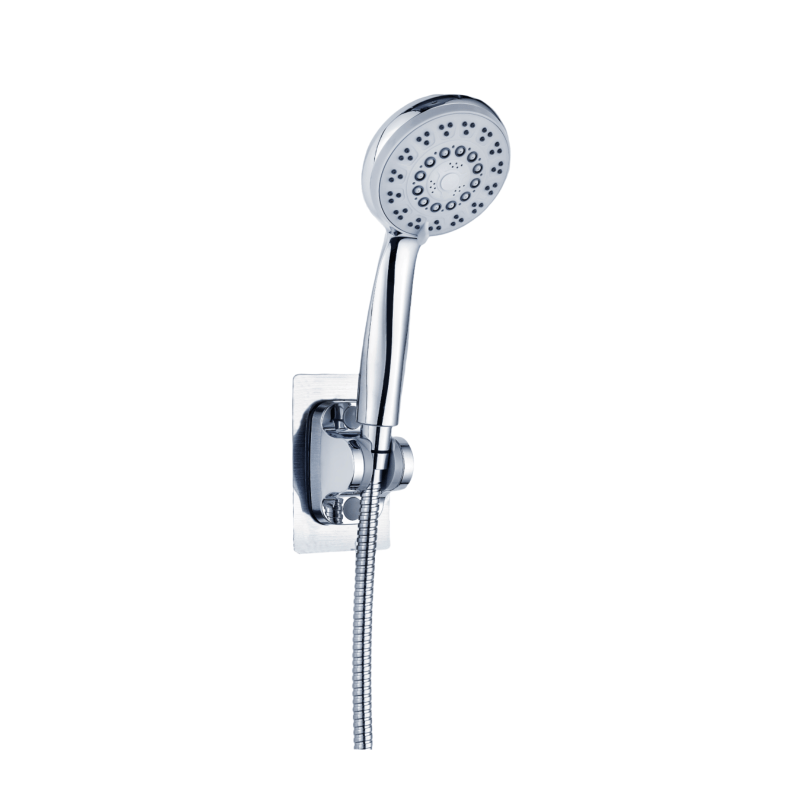
Modern anti-clog shower head designs emphasize universal compatibility with existing plumbing installations to facilitate easy upgrades without extensive renovation requirements. Standard threading and connection dimensions ensure seamless replacement of conventional shower heads while immediately providing enhanced anti-clog capabilities. This compatibility reduces installation costs and complexity for homeowners seeking improved bathroom fixture performance.
The mounting hardware associated with quality anti-clog shower head systems incorporates similar anti-corrosion and durability features found in the primary fixture. This comprehensive approach prevents premature failure of supporting components that could compromise overall system integrity. Users benefit from cohesive performance characteristics across all system elements when selecting professionally engineered solutions.
Maintenance Accessibility and Design
Thoughtful design of anti-clog shower head systems prioritizes user accessibility for routine maintenance procedures. Easy-access panels, removable flow restrictors, and tool-free disassembly features enable homeowners to perform basic cleaning and inspection tasks without professional assistance. This accessibility reduces long-term ownership costs while ensuring optimal performance maintenance throughout the fixture's service life.
The modular design approach also facilitates targeted replacement of individual components as needed, rather than requiring complete fixture replacement. This sustainability advantage appeals to environmentally conscious consumers while providing economic benefits through extended product lifecycles. Manufacturers who prioritize maintainability demonstrate commitment to customer satisfaction and environmental responsibility.
Long-Term Performance and Durability Factors
Resistance to Common Failure Modes
Quality anti-clog shower head systems address the most common failure modes that affect conventional fixtures through targeted engineering solutions. Mineral buildup, mechanical wear, and seal degradation represent primary concerns that manufacturers address through material selection and design optimization. The resulting products demonstrate measurably improved reliability compared to standard alternatives available in the marketplace.
The anti-clog features specifically target calcium carbonate and magnesium deposits that form readily in hard water conditions. These minerals represent the most significant challenge to sustained shower head performance, as they create progressive flow restrictions that ultimately require replacement of affected fixtures. Advanced anti-clog shower head designs effectively prevent or minimize these accumulations through active and passive prevention strategies.
Performance Monitoring and Indicators
Some advanced anti-clog shower head models incorporate performance monitoring capabilities that alert users to developing issues before they significantly impact functionality. These systems may include flow rate indicators, pressure sensors, or visual inspection aids that facilitate proactive maintenance scheduling. Early detection capabilities enable users to address minor issues before they develop into major performance problems.
The integration of monitoring capabilities also provides valuable data for optimizing maintenance schedules based on actual usage patterns and local water conditions. This personalized approach to maintenance ensures that anti-clog shower head systems receive appropriate attention without excessive intervention that could disrupt normal operation or increase ownership costs unnecessarily.
FAQ
How often should I clean my anti-clog shower head to maintain optimal performance
Most anti-clog shower head systems require minimal cleaning when equipped with quality silicone nozzles and proper materials. Under normal water conditions, monthly inspection and quarterly deep cleaning provide sufficient maintenance to preserve performance characteristics. However, homes with particularly hard water may benefit from more frequent attention to prevent mineral accumulation beyond the system's natural resistance capabilities.
Can anti-clog shower heads work effectively with low water pressure systems
Yes, properly designed anti-clog shower head systems actually enhance performance in low-pressure conditions by maintaining clear flow pathways that maximize available pressure utilization. The prevention of partial blockages ensures that all available water pressure reaches the spray nozzles effectively, often resulting in noticeably improved performance compared to conventional fixtures operating under identical conditions.
What water quality conditions pose the greatest challenge to anti-clog shower head performance
Extremely hard water with high mineral content presents the most significant challenge to any anti-clog shower head system. Water with calcium hardness exceeding 300 parts per million or high iron content requires more frequent maintenance attention. However, quality anti-clog features still provide substantial benefits even under these challenging conditions, extending service intervals and maintaining better performance than conventional alternatives.
Are there specific installation requirements that optimize anti-clog shower head effectiveness
Proper installation of anti-clog shower head systems benefits from adequate water pressure, secure mounting, and appropriate height positioning for easy maintenance access. Installing inline water filters or water softening systems can significantly enhance the effectiveness of anti-clog features by reducing the mineral load that these systems must handle during normal operation.
Table of Contents
- Advanced Nozzle Technology and Design Principles
- Material Science and Corrosion Resistance
- Water Pressure Optimization and Flow Control
- Installation Considerations and Compatibility
- Long-Term Performance and Durability Factors
-
FAQ
- How often should I clean my anti-clog shower head to maintain optimal performance
- Can anti-clog shower heads work effectively with low water pressure systems
- What water quality conditions pose the greatest challenge to anti-clog shower head performance
- Are there specific installation requirements that optimize anti-clog shower head effectiveness