
 EN
EN
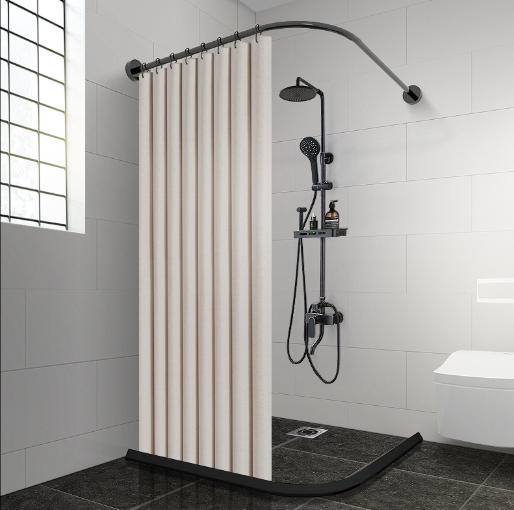
When selecting bathroom fixtures for modern homes and commercial spaces, the choice of materials for high-performance shower rods becomes critically important. These essential components must withstand constant exposure to moisture, temperature fluctuations, and daily mechanical stress while maintaining their structural integrity and aesthetic appeal. Understanding the material science behind high-performance shower rods enables architects, contractors, and homeowners to make informed decisions that ensure longevity and optimal functionality in wet environments.
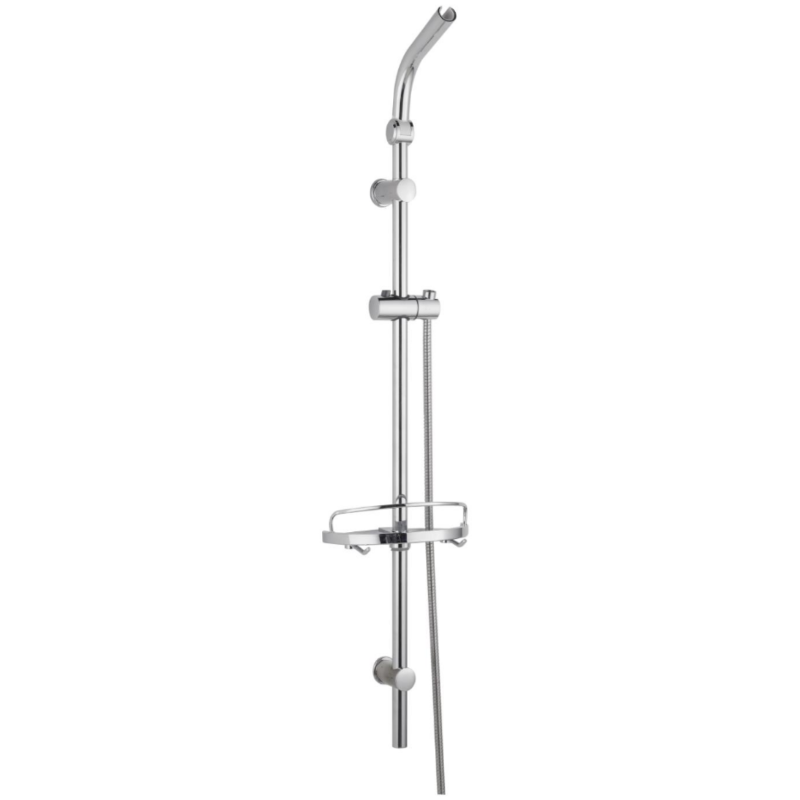
Material Composition and Performance Characteristics
Stainless Steel Properties in Wet Environments
Stainless steel stands as the premier material for high-performance shower rods due to its exceptional corrosion resistance and structural durability. The chromium content in stainless steel creates a passive oxide layer that prevents rust formation even under continuous water exposure. Grade 316 stainless steel, containing molybdenum, offers superior resistance to chloride corrosion commonly found in municipal water supplies. This material maintains its tensile strength and surface finish integrity throughout extended service periods in humid bathroom conditions.
The manufacturing process significantly impacts the performance characteristics of stainless steel high-performance shower rods. Cold-drawing techniques enhance the material's mechanical properties while maintaining dimensional accuracy. Surface treatments such as brushed or mirror finishes not only provide aesthetic appeal but also influence the material's ability to resist water spotting and mineral deposits. Professional-grade installations benefit from the consistent performance that quality stainless steel components deliver across diverse environmental conditions.
Aluminum Alloy Applications and Limitations
Aluminum alloys present an attractive alternative for high-performance shower rods in specific applications where weight reduction is paramount. The natural oxide layer formed on aluminum surfaces provides inherent corrosion protection, though this protection requires proper alloy selection and surface treatment. Anodized aluminum finishes significantly enhance durability and color retention in wet environments while providing additional corrosion resistance beyond the base material properties.
However, aluminum-based high-performance shower rods face limitations in certain water chemistry conditions. Alkaline environments can cause pitting corrosion, while galvanic corrosion may occur when aluminum contacts dissimilar metals in plumbing systems. These considerations make material selection crucial for optimal long-term performance. Proper installation techniques and compatible fastener materials help maximize the service life of aluminum components in bathroom applications.
Engineering Standards and Performance Metrics
Load-Bearing Capacity and Structural Integrity
Engineering specifications for high-performance shower rods establish minimum load-bearing requirements that ensure safe operation under typical use conditions. Standard residential applications require rods to support distributed loads of 25-35 pounds, accounting for curtain weight, water accumulation, and incidental contact forces. Commercial installations often specify higher load ratings to accommodate heavier curtain materials and more frequent use patterns typical in hospitality or healthcare facilities.
The structural design of high-performance shower rods incorporates factors of safety that exceed minimum requirements by substantial margins. Wall mounting systems distribute loads across multiple attachment points, reducing stress concentrations that could lead to premature failure. Finite element analysis during the design phase helps optimize material distribution and identify potential weak points before manufacturing begins. These engineering approaches ensure reliable performance throughout the expected service life of the installation.
Corrosion Resistance Testing and Standards
Industry testing protocols evaluate the corrosion resistance of high-performance shower rods through accelerated exposure testing that simulates years of service in compressed timeframes. Salt spray testing per ASTM B117 standards subjects materials to continuous saline mist exposure, revealing potential corrosion mechanisms and coating failures. Cyclic corrosion testing provides more realistic simulation of actual bathroom conditions with alternating wet and dry cycles that mirror daily use patterns.
Electrochemical testing methods measure the corrosion potential and resistance characteristics of different materials in simulated bathroom environments. These measurements help predict long-term performance and guide material selection for specific water chemistry conditions. Quality manufacturers document test results and provide performance warranties based on standardized testing protocols, giving specifiers confidence in material selection decisions for critical applications.
Installation Considerations and Compatibility
Mounting Hardware Material Selection
The mounting hardware used with high-performance shower rods must exhibit comparable corrosion resistance to ensure system-wide durability. Stainless steel fasteners prevent galvanic corrosion when paired with stainless steel rods, while appropriate isolation techniques enable mixing of different materials when necessary. Wall anchor materials require careful selection based on substrate type, with stainless steel or brass anchors preferred for wet environment applications.
Sealing compounds and gaskets play crucial roles in preventing water infiltration behind mounted components. Silicone-based sealants provide excellent adhesion and flexibility while resisting mold growth in humid conditions. The installation sequence affects long-term performance, with proper surface preparation and curing times essential for achieving manufacturer-specified warranties. Professional installation practices ensure optimal performance from high-performance shower rods regardless of material selection.
Thermal Expansion and Movement Accommodation
Temperature variations in bathroom environments cause dimensional changes in high-performance shower rods that must be accommodated through proper design and installation techniques. Stainless steel exhibits moderate thermal expansion coefficients that require consideration in long-span installations. Aluminum components show higher expansion rates that may necessitate expansion joints or flexible mounting systems in commercial applications.
Building movement from settling, wind loading, or seismic activity introduces additional stresses that high-performance shower rods must accommodate without failure. Flexible mounting systems allow controlled movement while maintaining structural integrity and water sealing performance. Design professionals evaluate building characteristics and environmental conditions to specify appropriate mounting systems that ensure long-term reliability under all expected operating conditions.
Maintenance and Service Life Optimization
Cleaning Protocols and Chemical Compatibility
Proper maintenance protocols significantly extend the service life of high-performance shower rods while preserving their aesthetic appearance. Different materials require specific cleaning approaches, with stainless steel tolerating a wide range of cleaning chemicals while aluminum surfaces may be sensitive to alkaline cleaners. Manufacturer recommendations provide guidance on compatible cleaning products that maintain warranties while ensuring effective soil removal.
Regular inspection schedules help identify potential issues before they compromise performance or safety. Visual checks for corrosion, loosened fasteners, or damaged finishes enable proactive maintenance that prevents more costly repairs or replacements. Documentation of maintenance activities supports warranty claims and helps establish optimal service intervals for different installation environments and use patterns.
Replacement Strategies and Lifecycle Planning
Lifecycle planning for high-performance shower rods considers initial material costs against expected service life and maintenance requirements. Higher-quality materials command premium prices but often provide superior total cost of ownership through extended service life and reduced maintenance needs. Replacement planning should account for availability of matching finishes and mounting systems to maintain aesthetic consistency in renovation projects.
Sustainable design principles increasingly influence material selection for high-performance shower rods, with recyclable materials and low-impact manufacturing processes gaining importance. End-of-life disposal considerations favor materials that can be recycled or repurposed rather than contributing to landfill waste. Forward-thinking specifications incorporate these sustainability factors while maintaining performance requirements essential for reliable operation in wet environments.
FAQ
What makes stainless steel superior for high-performance shower rods compared to other materials
Stainless steel offers exceptional corrosion resistance due to its chromium content, which forms a protective oxide layer that prevents rust even under continuous water exposure. Unlike painted or coated materials, stainless steel maintains its protective properties even if surface scratches occur. The material also provides superior strength-to-weight ratios and maintains dimensional stability across wide temperature ranges typical in bathroom environments.
How do I determine the appropriate load rating for my shower rod installation
Standard residential high-performance shower rods should support 25-35 pounds distributed load, accounting for curtain weight and water accumulation. Commercial applications may require higher ratings depending on curtain materials and usage frequency. Consider factors such as curtain material, frequency of use, and potential accidental loading when selecting appropriate load ratings. Consult manufacturer specifications and local building codes for minimum requirements.
What installation factors most significantly impact the longevity of shower rods
Proper wall anchor selection and spacing critically affects long-term performance of high-performance shower rods. Use corrosion-resistant fasteners compatible with the rod material to prevent galvanic corrosion. Ensure adequate structural support in the wall substrate and apply appropriate sealants to prevent water infiltration. Follow manufacturer installation guidelines precisely, including torque specifications and curing times for optimal results.
How often should high-performance shower rods undergo maintenance inspection
Inspect high-performance shower rods quarterly for signs of corrosion, loosened fasteners, or finish degradation. Commercial installations may require monthly inspections due to higher usage rates. Check mounting hardware tightness and sealant integrity during routine bathroom cleaning. Address any issues immediately to prevent progression to more serious problems that could compromise safety or require complete replacement of components.
Table of Contents
- Material Composition and Performance Characteristics
- Engineering Standards and Performance Metrics
- Installation Considerations and Compatibility
- Maintenance and Service Life Optimization
-
FAQ
- What makes stainless steel superior for high-performance shower rods compared to other materials
- How do I determine the appropriate load rating for my shower rod installation
- What installation factors most significantly impact the longevity of shower rods
- How often should high-performance shower rods undergo maintenance inspection