
 EN
EN
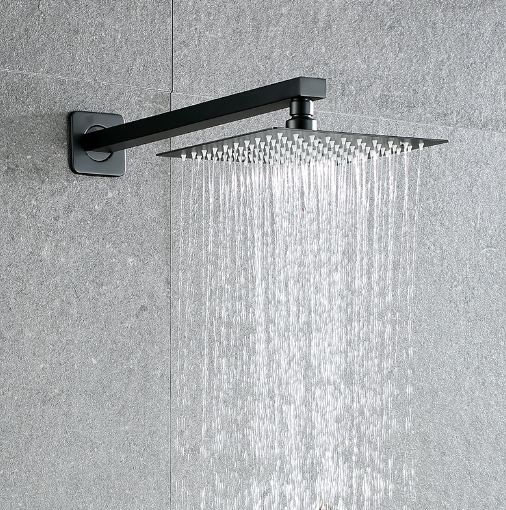
Proper shower arm positioning is crucial for creating an optimal showering experience that balances functionality, aesthetics, and user comfort. The placement of your shower arm directly impacts water flow direction, spray coverage, and overall bathroom ergonomics. Understanding the key installation considerations ensures that your shower system delivers consistent performance while meeting both practical needs and design preferences. Professional installers recognize that shower arm positioning involves multiple technical factors that must be carefully evaluated during the planning phase.
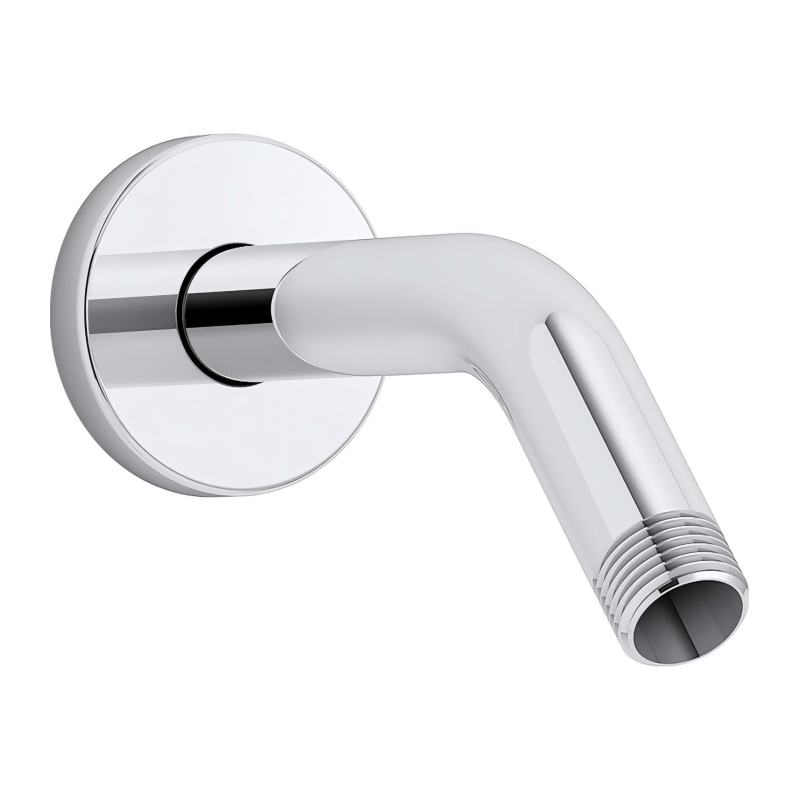
Height and Elevation Considerations
Standard Height Requirements
The standard height for shower arm positioning ranges from 72 to 78 inches from the floor, though this measurement can vary based on specific user requirements and local building codes. Most residential installations target approximately 80 inches to the shower head connection point, allowing for optimal water distribution across different user heights. Professional plumbers typically recommend positioning the shower arm at least 12 inches above the tallest expected user to prevent interference during showering activities.
Ceiling height limitations significantly influence shower arm positioning decisions, particularly in bathrooms with sloped or low ceilings. Installation teams must account for the combined length of the shower arm and attached shower head to ensure adequate clearance. The positioning should allow comfortable movement without creating awkward angles that compromise water flow effectiveness or user safety during daily use.
Adjustability and User Demographics
Household demographics play a essential role in determining optimal shower arm positioning, as installations must accommodate users of varying heights and mobility levels. Families with children may require lower positioning or adjustable systems that can accommodate different user needs without compromising adult functionality. Universal design principles suggest incorporating flexibility in shower arm positioning to ensure long-term usability as household needs evolve over time.
Accessibility considerations require careful attention to shower arm positioning for users with mobility challenges or physical limitations. The Americans with Disabilities Act provides specific guidelines for accessible shower installations, including requirements for shower arm positioning that allows seated users to comfortably access and operate shower controls. These regulations influence both the height and horizontal positioning of shower arms in commercial and residential applications.
Plumbing Infrastructure and Water Supply
Existing Pipe Configuration
The existing plumbing infrastructure significantly constrains shower arm positioning options, as water supply lines determine available connection points within the wall cavity. Retrofit installations often require working within existing pipe configurations, limiting the flexibility for optimal positioning without extensive plumbing modifications. Professional installers must evaluate the current supply line locations and determine whether repositioning is feasible within budget and structural constraints.
Water pressure considerations directly impact effective shower arm positioning, as the height and angle of installation affect water flow dynamics and spray characteristics. Higher positioning may reduce water pressure at the shower head, while lower installation can improve pressure but may compromise coverage area. The relationship between shower arm positioning and water pressure requires careful balancing to achieve optimal performance across different flow rate conditions.
Supply Line Accessibility
Access to water supply lines within wall cavities determines the practical limitations for shower arm positioning during installation or renovation projects. Open wall construction provides maximum flexibility for positioning, while finished walls require strategic planning to minimize damage during installation. The positioning must align with accessible connection points while maintaining proper support and securing mechanisms within the wall structure.
Future maintenance accessibility should influence shower arm positioning decisions, ensuring that service technicians can access connections and components without extensive demolition. Proper positioning includes consideration for valve access, pipe joint locations, and potential leak detection points. This forward-thinking approach to shower arm positioning reduces long-term maintenance costs and simplifies future repairs or upgrades to the shower system.
Bathroom Layout and Space Optimization
Shower Enclosure Dimensions
The dimensions and configuration of the shower enclosure directly influence optimal shower arm positioning to maximize water coverage while preventing overspray outside the designated area. Standard 32-inch by 32-inch shower stalls require different positioning strategies compared to larger walk-in showers or combination tub-shower units. The positioning must ensure that water spray remains contained within the enclosure boundaries while providing adequate coverage for comfortable showering.
Corner shower installations present unique challenges for shower arm positioning, as the angled walls and limited space require careful consideration of spray angles and user movement patterns. The positioning should account for door swing clearances, ventilation requirements, and the natural flow patterns users follow during showering activities. Effective shower arm positioning in corner units often requires custom solutions that balance space constraints with functional requirements.
Traffic Flow and Door Clearances
Bathroom traffic flow patterns significantly impact shower arm positioning decisions, particularly in smaller bathrooms where space optimization is critical. The positioning should not interfere with door operation, vanity access, or movement between bathroom fixtures. Professional designers consider the entire bathroom layout when determining shower arm positioning to ensure seamless integration with the overall space planning strategy.
Safety considerations require shower arm positioning that minimizes collision risks and provides clear sight lines within the bathroom space. The positioning should avoid creating blind spots or obstacles that could contribute to accidents, particularly in wet conditions where visibility and mobility may be compromised. Proper positioning enhances both safety and convenience by maintaining clear pathways and unobstructed access to essential bathroom features.
Wall Structure and Support Requirements
Structural Load Distribution
Wall structure capabilities determine the feasibility of different shower arm positioning options, as the installation must provide adequate support for the shower arm, shower head, and associated water loads. Drywall installations require appropriate backing materials or blocking to distribute loads effectively, while tile or stone walls may need specialized anchoring systems. The positioning should align with structural elements that can safely support the long-term operational stresses.
Load-bearing considerations extend beyond the shower arm itself to include dynamic forces generated during use, such as adjustment movements, cleaning activities, and potential impact loads. Professional installers evaluate the wall construction type and determine appropriate reinforcement strategies to ensure stable shower arm positioning throughout the system lifespan. Inadequate structural support can lead to loose connections, water leaks, and premature component failure.
Mounting Surface Preparation
Surface preparation requirements vary significantly based on wall materials and chosen shower arm positioning, affecting both installation complexity and long-term performance. Tile installations require precise measurements and specialized drilling techniques to avoid cracking or damage during mounting. The positioning must account for grout lines, tile layouts, and substrate conditions that influence mounting reliability and aesthetic integration.
Waterproofing considerations require careful attention to shower arm positioning to maintain moisture barriers and prevent water intrusion behind wall surfaces. The positioning should integrate with existing waterproofing systems while providing reliable sealing around penetrations and connection points. Proper shower arm positioning includes planning for appropriate sealing materials and techniques that ensure long-term moisture protection in wet bathroom environments.
Aesthetic Integration and Design Harmony
Visual Balance and Proportions
Shower arm positioning significantly impacts the visual balance and aesthetic appeal of the overall bathroom design, requiring consideration of proportional relationships with other fixtures and architectural elements. The positioning should complement the scale and style of the shower enclosure while maintaining harmony with adjacent vanities, lighting fixtures, and decorative elements. Professional designers evaluate shower arm positioning as part of the comprehensive design strategy rather than an isolated technical decision.
Symmetry and alignment considerations influence shower arm positioning in relation to tile patterns, wall niches, and other architectural features within the shower area. The positioning should enhance rather than disrupt established design lines and visual focal points. Careful attention to these aesthetic factors ensures that functional shower arm positioning contributes positively to the overall bathroom atmosphere and user satisfaction.
Style Coordination and Finish Matching
Finish coordination requirements may influence shower arm positioning decisions, particularly when matching existing plumbing fixtures or maintaining consistent design themes throughout the bathroom space. The positioning should accommodate the selected shower arm style while ensuring proper alignment with coordinating elements such as grab bars, towel bars, and other bathroom accessories. Consistent positioning strategies help create cohesive design appearances that enhance property value and user experience.
Contemporary design trends increasingly emphasize clean lines and minimalist aesthetics that require precise shower arm positioning to achieve the desired visual impact. Modern installations often feature concealed or integrated mounting systems that demand careful planning during the positioning phase. The positioning must support both current design preferences and potential future style evolution without requiring major renovation work.
Installation Tools and Technical Requirements
Measurement Precision and Layout Tools
Accurate measurement tools and layout techniques are essential for achieving precise shower arm positioning that meets both functional and aesthetic requirements. Professional installers utilize laser levels, digital measuring devices, and specialized marking systems to ensure consistent positioning across multiple installation points. The positioning process requires verification at multiple stages to prevent costly corrections and ensure proper alignment with related bathroom fixtures.
Template systems and positioning guides help standardize shower arm positioning across similar installations while accommodating site-specific variables and customization requirements. These tools reduce installation time and improve consistency while ensuring that positioning meets manufacturer specifications and local building codes. Proper use of positioning tools minimizes errors and enhances the overall quality of the installation process.
Connection Hardware and Mounting Systems
Specialized mounting hardware requirements may influence available shower arm positioning options, particularly when working with specific wall types or shower arm designs. The positioning must accommodate the required hardware while maintaining proper support and alignment characteristics. Professional installers maintain inventory of various mounting solutions to address different positioning challenges and wall construction types encountered during installation projects.
Sealing and weatherproofing materials require careful consideration during shower arm positioning to ensure reliable moisture protection and prevent future maintenance issues. The positioning should facilitate proper application of sealants and gaskets while maintaining access for future service needs. Quality positioning practices include planning for long-term maintenance requirements and component replacement scenarios that may arise during the system lifespan.
FAQ
What is the standard height for shower arm positioning in residential bathrooms
The standard height for residential shower arm positioning typically ranges from 72 to 78 inches from the finished floor to the center of the shower arm connection point. Most installations target approximately 80 inches to accommodate the shower head attachment while providing comfortable clearance for users of varying heights. Local building codes and accessibility requirements may specify different height standards that must be followed during installation.
How does wall type affect shower arm positioning options
Wall construction type significantly impacts shower arm positioning flexibility and installation requirements. Drywall installations require proper backing or blocking for secure mounting, while tile or stone walls need specialized anchoring systems and careful positioning to avoid damage during installation. The positioning must align with structural support elements and accommodate the specific mounting hardware required for each wall type to ensure long-term stability and performance.
Can shower arm positioning be adjusted after initial installation
Shower arm positioning can be modified after installation, but the extent of adjustment depends on the existing plumbing configuration and wall construction. Minor height adjustments may be possible with different shower arm lengths or adjustable mounting systems. Major positioning changes typically require plumbing modifications and wall repairs, making careful initial positioning critical for avoiding costly future renovations.
What building codes govern shower arm positioning requirements
Building codes governing shower arm positioning vary by jurisdiction but typically address minimum height requirements, accessibility standards, and safety considerations. The International Residential Code and Americans with Disabilities Act provide baseline requirements that local authorities may supplement with additional specifications. Professional installers must verify current local code requirements before finalizing shower arm positioning to ensure compliance and proper inspection approval.