
 EN
EN
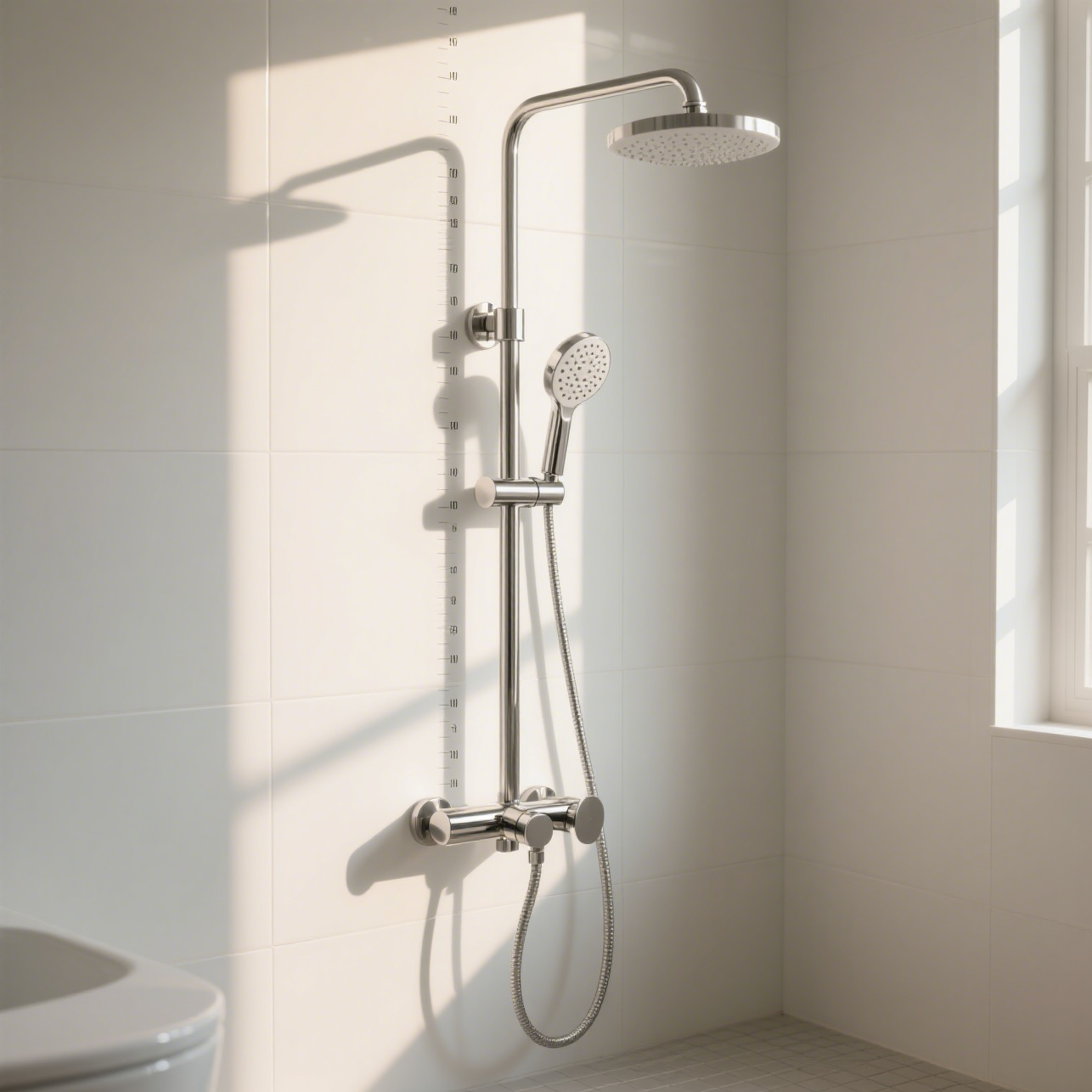
Modern bathroom design has evolved significantly, prioritizing both luxury and safety through advanced plumbing technology. A thermostatic shower system represents one of the most important innovations in residential and commercial bathroom installations, offering unprecedented control over water temperature while ensuring user safety. These sophisticated systems utilize advanced valve technology to maintain consistent water temperature regardless of pressure fluctuations in your home's plumbing system. The integration of thermostatic controls has transformed the shower experience from a basic necessity into a comfortable, safe, and enjoyable daily routine that homeowners and businesses alike can depend upon.
Understanding Thermostatic Technology in Modern Shower Systems
Core Mechanics of Temperature Regulation
The fundamental principle behind a thermostatic shower system involves a specialized mixing valve that automatically adjusts the ratio of hot and cold water to maintain your preset temperature. This valve contains a temperature-sensitive element, typically a wax cartridge or bimetallic strip, that expands and contracts based on water temperature changes. When cold water pressure increases suddenly, the thermostatic element responds by reducing cold water flow and increasing hot water flow proportionally. This immediate response prevents dangerous temperature spikes that could cause scalding injuries, making the thermostatic shower system an essential safety feature for households with children, elderly residents, or individuals with mobility limitations.
The precision of modern thermostatic shower system technology allows temperature control within one or two degrees of your selected setting. Advanced models incorporate ceramic disc technology and pressure-balancing mechanisms that work in conjunction with the thermostatic element. These systems can detect pressure changes in milliseconds and make corresponding adjustments faster than traditional mixing valves. The result is a shower experience where temperature remains constant whether someone flushes a toilet, starts a dishwasher, or another fixture draws water elsewhere in the building.
Integration with Contemporary Shower Fixtures
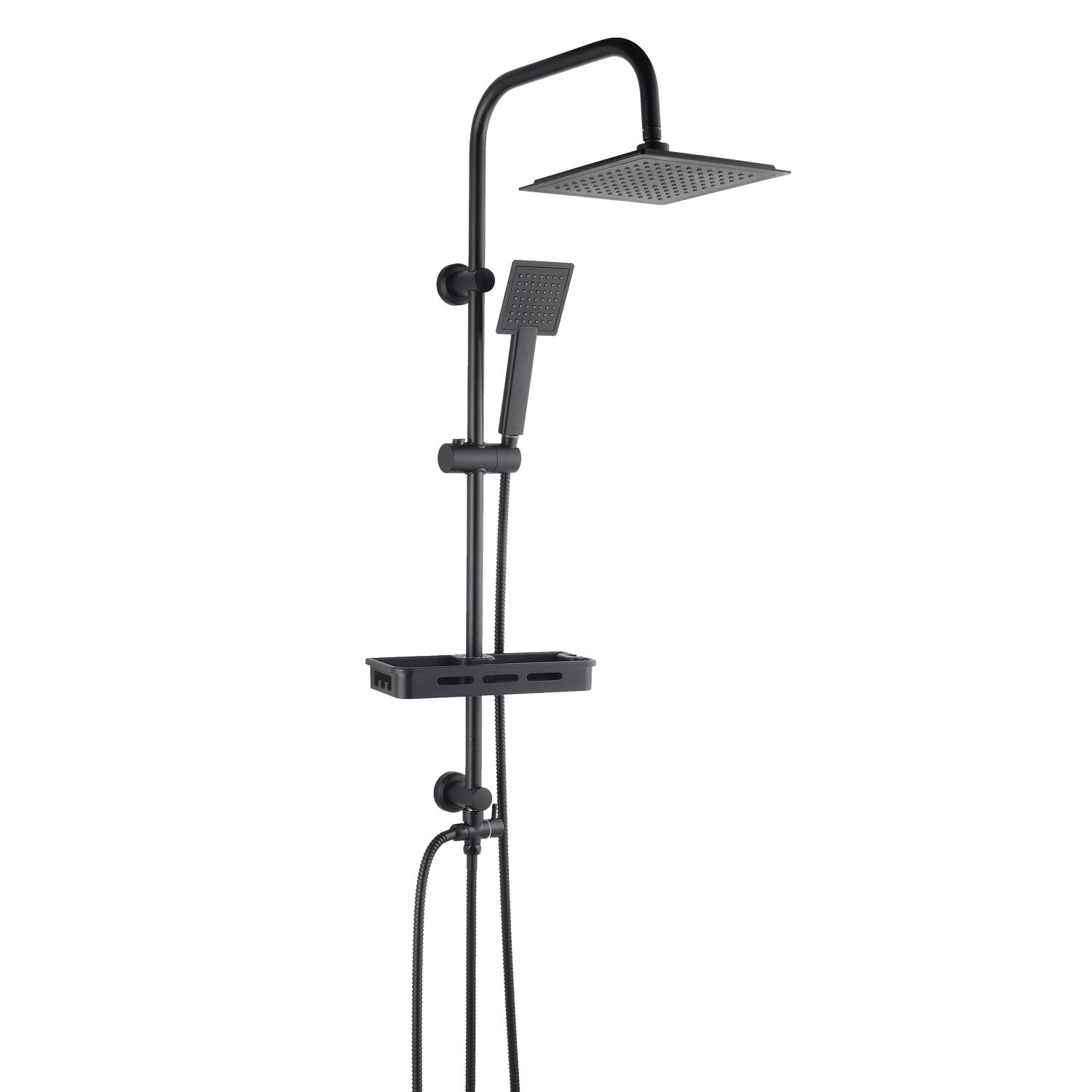
Contemporary thermostatic shower system installations often feature multiple outlet controls, allowing users to operate rainfall showerheads, handheld sprays, and body jets simultaneously while maintaining consistent temperature across all fixtures. The central thermostatic valve manages temperature for the entire system, while individual flow controls regulate water volume to each outlet. This configuration provides exceptional flexibility for creating personalized shower experiences without compromising safety or comfort. Many systems also incorporate anti-scald technology that automatically shuts off hot water flow if cold water supply fails completely.
The aesthetic integration of thermostatic controls has also improved dramatically, with manufacturers offering sleek, minimalist designs that complement modern bathroom décor. Digital displays show precise temperature readings, while intuitive control interfaces make operation simple for users of all ages. Some advanced thermostatic shower system models include smartphone connectivity, allowing remote temperature presets and usage monitoring for enhanced convenience and energy management.
Safety Benefits and Protection Features
Scald Prevention and Child Safety
Scalding injuries from shower water represent a significant safety concern, particularly affecting children and elderly individuals who may have slower reaction times or reduced sensitivity to temperature changes. A properly installed thermostatic shower system virtually eliminates this risk through multiple safety mechanisms. The primary protection comes from the automatic temperature limiting feature, which prevents water temperature from exceeding your preset maximum regardless of hot water system fluctuations. Most systems allow maximum temperature settings between 100-120 degrees Fahrenheit, well below the threshold for serious burns.
Additional safety features in modern thermostatic shower system designs include fail-safe mechanisms that shut down hot water flow entirely if the thermostatic element malfunctions or if cold water supply is interrupted. Child-safe controls prevent accidental temperature adjustments through lockable settings or push-button overrides that require deliberate action to change temperature. These features make thermostatic systems particularly valuable in family homes, assisted living facilities, and public accommodations where user safety is paramount.
Commercial and Institutional Applications
Commercial and institutional facilities benefit tremendously from thermostatic shower system installations due to liability concerns and regulatory requirements. Hotels, hospitals, schools, and fitness centers are often required by local building codes to install anti-scald devices in shower facilities. Thermostatic systems provide reliable compliance with these regulations while offering superior performance compared to simple mixing valves or pressure-balancing devices. The consistent temperature control reduces complaints from guests or users while minimizing maintenance issues related to temperature fluctuations.
In healthcare facilities, thermostatic shower system technology supports patient care by ensuring comfortable, safe bathing conditions for individuals with various medical conditions. Patients with diabetes, circulatory problems, or neurological conditions may have reduced temperature sensitivity, making automatic temperature control essential for preventing injury. The reliability and precision of these systems also support infection control protocols by maintaining consistent water temperatures needed for effective cleaning and sanitization procedures.
Comfort Enhancement and User Experience
Consistent Temperature for Relaxation
The comfort benefits of a thermostatic shower system extend far beyond basic safety considerations, creating a spa-like experience that enhances daily wellness routines. Consistent water temperature eliminates the shock and discomfort associated with sudden temperature changes, allowing users to fully relax and enjoy their shower experience. This consistency is particularly beneficial for therapeutic applications, such as hydrotherapy or muscle recovery treatments, where specific temperature ranges optimize healing and relaxation benefits.
The ability to preset and maintain exact temperatures also supports various bathing preferences and needs within the same household. Different family members can program their preferred temperatures, and the thermostatic shower system will automatically adjust to each user's settings. This personalization eliminates the need for manual temperature adjustment and the associated waiting time for water temperature to stabilize, making morning routines more efficient and enjoyable.
Water Conservation and Efficiency
Modern thermostatic shower system designs contribute significantly to water conservation efforts through improved efficiency and reduced waste. Traditional shower systems often require several minutes of running water to achieve desired temperature, wasting both water and energy. Thermostatic systems reach target temperature much more quickly and maintain it consistently, eliminating the need for temperature hunting and associated water waste. Some advanced systems include eco-mode settings that optimize flow rates while maintaining comfort levels.
The precise temperature control offered by a thermostatic shower system also enables users to take shorter showers without sacrificing comfort, as they spend less time adjusting temperature and more time enjoying the shower experience. Energy savings result from reduced hot water waste and more efficient heating system operation. These efficiency benefits make thermostatic systems an environmentally responsible choice that can reduce utility costs over time while supporting sustainability goals.
Installation Considerations and Maintenance Requirements
Professional Installation Requirements
Proper installation of a thermostatic shower system requires professional plumbing expertise to ensure optimal performance and safety. The installation process involves connecting the thermostatic valve to both hot and cold water supply lines with appropriate pressure and flow rate considerations. Professional installers must calibrate the system to local water conditions, including hardness levels and pressure variations that could affect performance. Incorrect installation can compromise temperature accuracy and safety features, making professional installation essential for warranty compliance and optimal operation.
The plumbing infrastructure must also support thermostatic shower system requirements, including adequate hot water supply capacity and consistent pressure from both hot and cold sources. Older homes may require plumbing upgrades to accommodate thermostatic systems effectively. Professional assessment of existing plumbing systems helps identify necessary modifications and ensures compatibility with selected thermostatic components. This upfront investment in proper installation prevents future performance issues and maximizes the longevity of the thermostatic shower system.
Ongoing Maintenance and Longevity
Regular maintenance of a thermostatic shower system ensures continued performance and extends component lifespan significantly. The most critical maintenance task involves periodic cleaning and calibration of the thermostatic element, which can be affected by mineral deposits and sediment accumulation over time. Annual professional servicing includes checking calibration accuracy, cleaning internal components, and replacing seals or cartridges as needed. Water quality in your area directly impacts maintenance frequency, with hard water requiring more frequent attention to prevent mineral buildup.
Homeowners can perform basic maintenance tasks to support their thermostatic shower system between professional services. Regular cleaning of external components, monitoring temperature accuracy, and watching for signs of decreased performance help identify maintenance needs early. Many manufacturers provide detailed maintenance schedules and user guidelines that help maximize system performance and warranty coverage. Proper maintenance practices ensure that safety features continue operating effectively while preserving the comfort and efficiency benefits that make thermostatic systems worthwhile investments.
FAQ
What is the main difference between thermostatic and standard mixing valves?
A thermostatic shower system uses advanced temperature-sensing technology to automatically maintain your preset water temperature regardless of pressure changes in your plumbing system. Standard mixing valves require manual adjustment and cannot compensate for pressure fluctuations, often resulting in sudden temperature changes when other fixtures are used. Thermostatic systems provide superior safety through automatic temperature limiting and fail-safe mechanisms that prevent scalding injuries, making them significantly safer and more comfortable than traditional mixing valve systems.
How accurate is temperature control in modern thermostatic systems?
Modern thermostatic shower system technology can maintain temperature accuracy within 1-2 degrees Fahrenheit of your selected setting under normal operating conditions. High-quality systems respond to pressure changes within milliseconds, making temperature adjustments faster than users can perceive. This precision makes thermostatic systems suitable for therapeutic applications and ensures consistent comfort for all users. Temperature accuracy may vary slightly based on water quality, system maintenance, and installation quality, emphasizing the importance of professional installation and regular servicing.
Are thermostatic shower systems suitable for all home types?
A thermostatic shower system can be installed in most homes, but optimal performance requires adequate hot water supply capacity and balanced pressure from both hot and cold water sources. Older homes may need plumbing upgrades to support thermostatic system requirements effectively. Homes with well water, solar heating systems, or unusual plumbing configurations may require specialized thermostatic components or additional equipment. Professional assessment of your existing plumbing infrastructure helps determine compatibility and identify any necessary modifications for successful thermostatic shower system installation.
What maintenance is required for thermostatic shower systems?
Regular maintenance of a thermostatic shower system includes annual professional servicing to check calibration accuracy, clean internal components, and replace worn parts as needed. Homeowners should monitor temperature consistency, clean external components regularly, and watch for signs of decreased performance. Water quality significantly impacts maintenance frequency, with hard water areas requiring more frequent attention to prevent mineral buildup in the thermostatic element. Following manufacturer maintenance guidelines and scheduling professional service helps ensure continued safety and performance while preserving warranty coverage.