 EN
EN
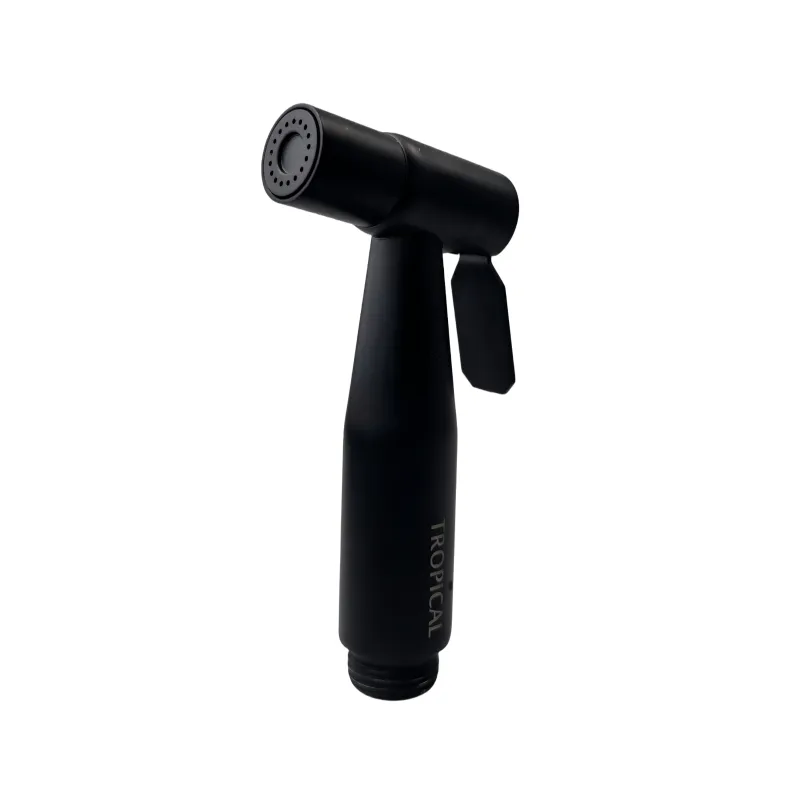
In the quest for superior hygiene and comfort in the bathroom, many people are discovering the remarkable benefits of using a shattaf over traditional toilet paper. This handheld bidet device, also known as a Muslim shower or toilet spray, represents a significant advancement in personal cleanliness that has been embraced across various cultures for centuries. The growing awareness of hygiene standards and environmental concerns has led more households to consider alternatives to conventional toilet paper, making the shattaf an increasingly popular choice for modern bathrooms.
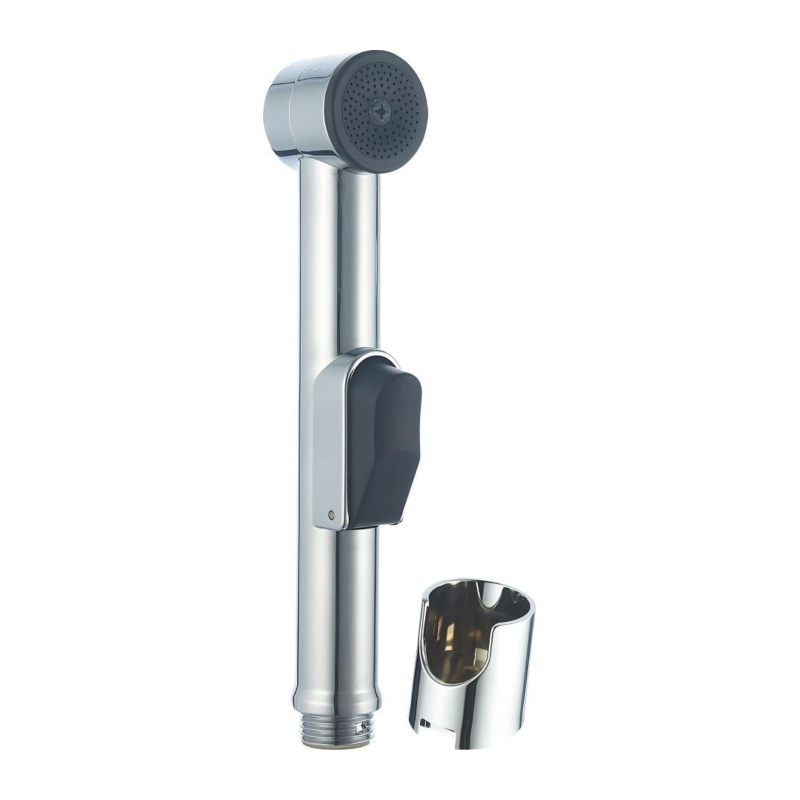
The fundamental difference between a shattaf and toilet paper lies in the cleaning mechanism itself. While toilet paper merely wipes away surface residue, a shattaf provides thorough cleansing with water pressure that ensures complete removal of waste materials. This water-based cleaning method offers a level of hygiene that cannot be matched by dry wiping alone, addressing concerns that many people have about feeling truly clean after using the restroom.
Superior Hygiene and Health Benefits
Enhanced Cleanliness Through Water-Based Cleaning
The primary advantage of using a shattaf centers around the superior cleaning power of pressurized water compared to dry toilet paper. Water naturally dissolves and removes waste materials more effectively than wiping, ensuring that users achieve a higher standard of cleanliness. This thorough cleaning process significantly reduces the risk of bacterial infections and urinary tract infections, particularly important for women who are more susceptible to such conditions. The gentle yet effective water stream reaches areas that toilet paper might miss, providing comprehensive hygiene that promotes overall health and well-being.
Medical professionals often recommend water-based cleaning methods for patients with certain health conditions, including hemorrhoids, anal fissures, or postpartum recovery. The gentle nature of water cleansing reduces irritation and promotes healing, while the adjustable pressure settings on modern shattaf devices allow users to customize their cleaning experience according to their comfort level and specific needs.
Reduced Risk of Infections and Irritation
Toilet paper can sometimes cause micro-abrasions on sensitive skin, creating entry points for bacteria and potentially leading to infections. In contrast, the smooth flow of water from a shattaf eliminates the friction associated with wiping while providing more thorough cleaning. This gentler approach is particularly beneficial for individuals with sensitive skin conditions, elderly users, or anyone recovering from medical procedures in the anal or genital areas.
The antimicrobial properties of water, especially when combined with the mechanical action of the spray, help eliminate harmful bacteria more effectively than toilet paper alone. This reduction in bacterial presence contributes to better overall hygiene and can help prevent various infections that might otherwise occur due to inadequate cleaning with traditional methods.
Environmental Impact and Sustainability
Significant Reduction in Paper Waste
The environmental benefits of choosing a shattaf over toilet paper are substantial and far-reaching. The average person uses approximately 20,000 sheets of toilet paper annually, contributing to massive deforestation and environmental degradation. By switching to a shattaf system, households can reduce their toilet paper consumption by up to 80%, making a significant positive impact on forest conservation and reducing their carbon footprint.
The manufacturing process of toilet paper requires enormous amounts of water, energy, and chemicals, including bleaching agents that can harm aquatic ecosystems when released into waterways. A single shattaf device can serve a household for many years with minimal environmental impact, representing a sustainable alternative that aligns with growing environmental consciousness and responsible consumption practices.
Water Usage Efficiency
While critics sometimes argue that shattaf devices increase water consumption, studies have shown that the water used for cleaning with a handheld bidet is actually less than the water required to produce the equivalent amount of toilet paper. The production of toilet paper requires approximately 37 gallons of water per roll, while a typical shattaf cleaning session uses less than one pint of water. This dramatic difference in water footprint makes the shattaf a more environmentally responsible choice for conscious consumers.
Modern shattaf designs incorporate water-saving features such as adjustable pressure controls and efficient spray patterns that maximize cleaning effectiveness while minimizing water usage. These innovations ensure that users can maintain excellent hygiene standards while supporting water conservation efforts and reducing their overall environmental impact.
Cost-Effectiveness and Long-Term Savings
Elimination of Ongoing Toilet Paper Expenses
The financial advantages of installing a shattaf system become apparent when considering the cumulative cost of toilet paper over time. An average family spends hundreds of dollars annually on toilet paper, and these costs continue to rise with inflation and increased environmental regulations affecting paper production. A quality shattaf represents a one-time investment that can eliminate or drastically reduce these ongoing expenses for decades.
High-quality shattaf devices are built to last, often featuring durable materials such as stainless steel or high-grade ABS plastic that resist corrosion and wear. The simple mechanical design of most shattaf systems means fewer moving parts that could break or require replacement, resulting in lower maintenance costs compared to more complex bathroom fixtures or the constant need to purchase consumable products like toilet paper.
Reduced Plumbing Problems
Toilet paper usage contributes to plumbing blockages and septic system problems, leading to expensive repairs and maintenance calls. Excessive toilet paper can accumulate in pipes, combine with other debris, and create stubborn clogs that require professional intervention. By significantly reducing toilet paper consumption through shattaf use, households can avoid many common plumbing issues and the associated repair costs.
The reduced strain on septic systems and municipal sewage treatment facilities also contributes to lower infrastructure maintenance costs for communities. This broader economic benefit extends beyond individual households, supporting more efficient waste management systems and reducing the burden on public utilities.
Installation Convenience and Versatility
Simple Retrofitting for Existing Bathrooms
One of the most appealing aspects of shattaf systems is their ability to be installed in virtually any existing bathroom without major renovation work. Unlike built-in bidets that require significant plumbing modifications and floor space, a handheld shattaf can be connected to existing water supplies with minimal effort and expense. Most installations can be completed in under an hour using basic tools and following straightforward instructions.
The flexibility of shattaf installation makes it an ideal solution for renters, homeowners with limited bathroom space, or anyone seeking to upgrade their hygiene routine without undertaking major construction projects. The device can be easily removed and relocated if necessary, making it a practical choice for people who move frequently or want to test the benefits before committing to permanent installation.
Adaptability to Different User Needs
Modern shattaf designs accommodate users of all ages and physical abilities, featuring ergonomic handles, adjustable spray patterns, and variable pressure settings. This versatility makes the device suitable for families with diverse needs, including elderly members who may have difficulty with traditional toilet paper, children learning proper hygiene habits, and individuals with mobility limitations or medical conditions.
The compact size and lightweight design of handheld shattaf units make them easy to maneuver and control, while the intuitive operation requires minimal learning curve for new users. Many models include additional features such as self-cleaning nozzles, temperature control, and ergonomic grips that enhance user experience and ensure optimal hygiene results.
Cultural Acceptance and Global Usage
Widespread International Adoption
The use of water for personal hygiene after using the toilet is standard practice in many cultures worldwide, with billions of people relying on various forms of bidets and shattaf systems as their primary cleaning method. This global acceptance demonstrates the practical benefits and cultural significance of water-based hygiene practices, which are often considered more civilized and thorough than toilet paper alone.
In many Middle Eastern, Asian, and European countries, the absence of a bidet or shattaf in a bathroom is considered unusual and unhygienic. This international perspective is gradually influencing Western attitudes toward bathroom hygiene, with more people recognizing the limitations of toilet paper and embracing water-based cleaning methods as a superior alternative.
Religious and Cultural Significance
For many Muslim households, using a shattaf is not just a matter of preference but a religious requirement for maintaining proper cleanliness according to Islamic teachings. The emphasis on water-based purification in Islamic hygiene practices has led to widespread adoption of shattaf systems in Muslim-majority countries and communities worldwide. This religious significance has contributed to the development of high-quality, reliable shattaf products that meet strict cleanliness standards.
The cultural importance of thorough cleanliness extends beyond religious considerations, encompassing broader values of personal dignity, respect for others, and maintaining high standards of hygiene in shared spaces. These cultural factors continue to drive innovation in shattaf design and encourage wider adoption among diverse communities seeking to improve their hygiene practices.
FAQ
How much water does a shattaf use compared to toilet paper production
A typical shattaf cleaning session uses approximately one pint of water, while producing enough toilet paper for the same cleaning task requires about 37 gallons of water during manufacturing. This makes the shattaf significantly more water-efficient from an environmental perspective, even accounting for direct water usage during cleaning.
Can a shattaf be installed in any bathroom
Yes, shattaf systems are designed for easy installation in virtually any bathroom with existing plumbing. Most units connect directly to the toilet water supply or sink plumbing using standard fittings, requiring no major modifications to existing infrastructure. Installation typically takes less than an hour and can be completed with basic tools.
Is using a shattaf more hygienic than toilet paper
Water-based cleaning with a shattaf provides superior hygiene compared to toilet paper alone because water effectively dissolves and removes waste materials while reducing bacterial presence. The gentle water pressure reaches areas that toilet paper might miss, providing more thorough cleaning and reducing the risk of infections and irritation.
How long does a quality shattaf last
A well-made shattaf constructed from durable materials like stainless steel or high-grade ABS plastic can last for decades with minimal maintenance. The simple mechanical design means fewer components that could fail, making it a reliable long-term investment that continues providing benefits throughout its extended lifespan.