
 EN
EN
When stepping into a shower, most people are immediately aware of how water hits their body — whether it feels like a strong, focused stream or something altogether more immersive. A rainfall shower head is engineered to recreate the sensation of standing beneath a natural downpour, delivering water across a wide surface area in a gentle, even cascade. This distinction in design philosophy sets it apart from conventional shower fixtures in ways that are immediately felt — and seen — the moment water begins to flow.
Understanding exactly how a rainfall shower head differs from standard options requires looking closely at its physical design, the mechanics behind its water distribution, and the sensory experience it creates. Whether you are renovating a bathroom, advising clients on fixture choices, or simply trying to understand what makes this type of shower so widely preferred in modern bathroom design, this article breaks down the differences with precision and practical insight.
The Physical Design Behind a Rainfall Shower Head
Surface Area and Face Diameter
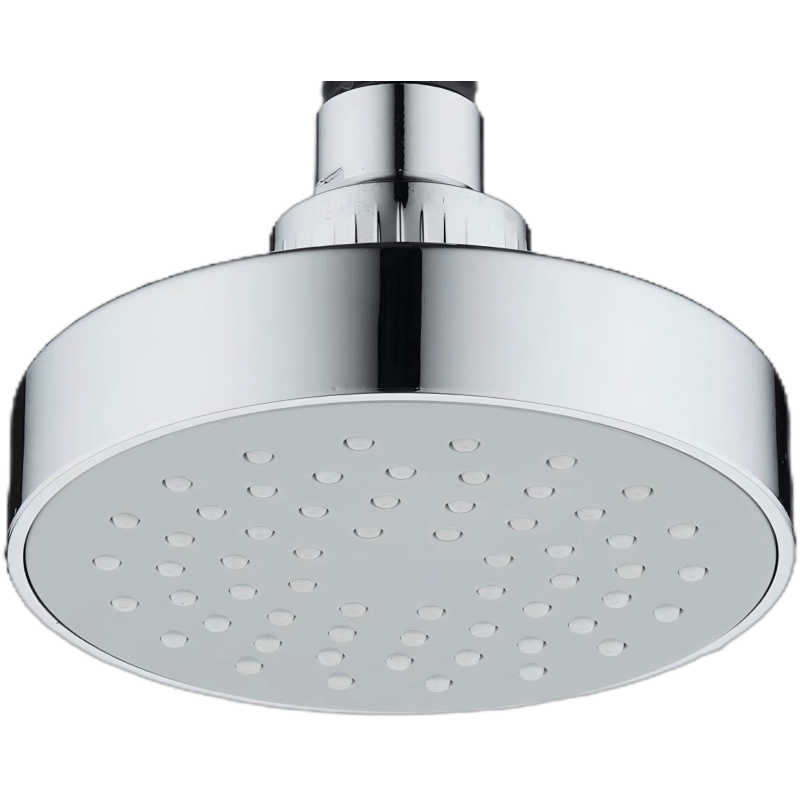
One of the most defining physical characteristics of a rainfall shower head is its significantly larger face diameter compared to standard shower heads. While a conventional shower head typically measures between 4 and 6 inches across, a rainfall shower head commonly spans anywhere from 8 to 12 inches — with some premium ceiling-mounted models reaching up to 16 inches or more. This expanded face is what makes the wide-coverage, rain-like experience possible.
The nozzle layout across that wider surface is engineered to distribute water evenly rather than directing flow toward a central focal point. Each nozzle is angled to emit water in a near-vertical direction, mimicking the natural fall of raindrops. This geometry ensures that the water coverage extends across the full diameter of the shower head, enveloping the bather from shoulders to scalp without requiring repositioning.
For buyers and specifiers in the B2B space — including hospitality procurement teams and bathroom fitting professionals — understanding this dimensional difference is critical. A rainfall shower head requires appropriate ceiling height and overhead clearance to function as intended. Installing one at a height that is too low can compromise both the spread of water coverage and the intended sensory effect.
Mounting Position and Orientation
A rainfall shower head is typically mounted either directly overhead on the ceiling or on a long adjustable arm that angles the head horizontally above the bather. This overhead positioning is fundamentally different from the angled wall-mount design of conventional shower heads, which direct water at a diagonal toward the body. The overhead angle of a rainfall shower head allows gravity to assist water flow, contributing to the gentle, unhurried feel that characterizes the experience.
Ceiling-mounted versions integrate seamlessly into modern bathroom aesthetics and are often paired with concealed pipework for a clean, architectural look. Arm-mounted versions offer more flexibility, especially in retrofit situations where ceiling plumbing is not available. Both mounting types preserve the core characteristic of the rainfall shower head: water falling from above in a wide, even sheet rather than being projected horizontally.
Water Coverage Compared to Standard Shower Heads
Spray Pattern and Distribution Uniformity
A standard shower head concentrates water into a relatively tight spray pattern, even when set to its widest mode. The coverage zone typically extends across a circular area that requires the user to move around to wet different parts of the body. In contrast, a rainfall shower head delivers water across a broad, consistent zone that can simultaneously cover the head, neck, shoulders, and upper body without adjustment.
The nozzle configuration within a rainfall shower head is engineered for distribution uniformity. High-quality models use precision-placed silicone nozzles arranged in a grid or radial pattern to ensure no dry spots appear across the spray face. This uniformity is one of the key reasons a rainfall shower head is associated with a premium, spa-like experience — the water coverage feels complete rather than targeted.
From a practical standpoint, this wider coverage also means that rinsing shampoo from hair or washing a full body requires less time spent turning and repositioning. For high-usage environments like hotel bathrooms or wellness facilities, this efficiency can be a meaningful benefit when specifying fixtures.
Flow Rate and Pressure Behavior
A common misconception is that a rainfall shower head must use significantly more water to cover a larger area. In reality, the water flow is distributed across more nozzles, which means each individual nozzle emits water at a lower velocity. The total flow rate of a rainfall shower head can be similar to or even lower than some standard shower heads, yet the perceived coverage is far greater because the water is spread over a wider surface.
The pressure feel, however, is notably different. Because water exits each nozzle at lower velocity and falls more vertically, the impact on the skin is softer and more diffuse. This is precisely the 'rainfall' sensation — gentle, enveloping, and continuous rather than forceful. Some modern rainfall shower heads incorporate internal pressure-amplifying chambers or specially designed nozzle geometries to maintain a satisfying sense of flow even under lower water pressure conditions, ensuring consistent performance across different plumbing setups.
The Sensory Feel of a Rainfall Shower Head
Skin Sensation and Immersion Quality
The difference in how a rainfall shower head feels compared to a standard shower is immediately noticeable. Rather than water hitting one area of the body with concentrated force, a rainfall shower head disperses water across a broad zone in soft, consistent droplets. The sensation is often described as immersive and calming — closer to standing in warm rain than being sprayed by a hose.
This softer, more enveloping quality makes the rainfall shower head particularly popular in spa environments, luxury hotels, and residential bathrooms where relaxation is a design priority. The full-body water coverage encourages a slower, more mindful shower experience. For brands and developers positioning bathrooms as wellness spaces, specifying a rainfall shower head communicates a clear message about the quality and intention of the bathing environment.
It is worth noting that the sensory quality of a rainfall shower head depends heavily on the nozzle design and materials used. Silicone nozzles that resist limescale buildup maintain consistent droplet shape and distribution over time, preventing the spray pattern from becoming uneven as mineral deposits accumulate. Easy-clean nozzle designs are therefore an important performance feature, not just a maintenance convenience.
Temperature Distribution and Warmth Retention
Another dimension of feel that distinguishes a rainfall shower head is how it distributes heat. Because the water covers a broader surface of the body simultaneously, warmth is spread more evenly. Users often report feeling warmer during a rainfall-style shower even at the same water temperature, simply because more skin surface is in contact with warm water at any given moment.
Standard shower heads, by directing a focused stream, can leave parts of the body feeling cooler while others are warmed. This temperature inconsistency is absent in a well-designed rainfall shower head, which contributes to the overall sensation of comfort and completeness. For colder climates or cooler bathroom environments, this characteristic is especially valued.
Installation and Compatibility Considerations
Ceiling Height and Bathroom Layout Requirements
Installing a rainfall shower head effectively requires some planning, particularly around ceiling height. For the water coverage to spread naturally before reaching the user, a minimum ceiling height of around 8 feet is generally recommended for ceiling-mounted models. Lower ceilings can result in water that has not fully spread before impact, reducing the characteristic gentle feel and wide coverage.
Open-plan shower enclosures and walk-in showers are the most natural setting for a rainfall shower head, as the wide spray pattern requires adequate surrounding space to avoid wetting areas outside the shower zone. Smaller, enclosed shower cubicles may not fully leverage the wide coverage that a rainfall shower head is designed to provide, though adjustable arm-mounted versions can help optimize positioning within more compact layouts.
Plumbing Compatibility and Water Pressure Requirements
A rainfall shower head is generally compatible with standard household plumbing connections, though the larger face and wider nozzle array mean that internal water distribution must be carefully engineered to maintain even pressure across all outlets. In low-pressure plumbing systems, a rainfall shower head with built-in pressure compensation technology can help maintain an acceptable flow feel without requiring upgrades to the underlying water supply.
For commercial projects or high-end residential installations, specifiers should confirm that the chosen rainfall shower head has been tested across a range of inlet pressure conditions. ABS chrome-finished models designed for high-pressure compatibility offer durability and consistent output in demanding use environments, making them a practical choice for hospitality and commercial bathroom projects where reliability is non-negotiable.
FAQ
Does a rainfall shower head use more water than a standard shower head?
Not necessarily. A rainfall shower head distributes water across more nozzles at lower individual velocity, which can result in a similar or even lower total flow rate compared to some standard shower heads. The perception of greater water coverage comes from the wider distribution rather than higher volume, making it possible to enjoy broad coverage without a significant increase in water consumption.
Is a rainfall shower head suitable for low water pressure systems?
Many modern rainfall shower head designs incorporate features such as internal pressure chambers or specially engineered nozzle geometries that help maintain a satisfying flow even in lower pressure plumbing environments. When selecting a model for a low-pressure system, it is important to check the manufacturer's specified minimum operating pressure to ensure consistent performance.
Can a rainfall shower head be installed in an existing bathroom without major renovation?
In many cases, yes. Arm-mounted rainfall shower head models can be connected to existing wall-mounted water supply points using an extended overhead arm, avoiding the need for ceiling pipework or structural changes. Ceiling-mounted installations typically require more significant plumbing work, but wall-arm versions provide a practical and effective alternative that delivers a similar wide-coverage experience.
What makes the nozzle design important in a rainfall shower head?
The nozzle design in a rainfall shower head directly affects both the distribution uniformity and the long-term consistency of the spray pattern. Silicone nozzles that are easy to clean resist limescale buildup, which can otherwise distort individual droplet paths and create uneven coverage over time. A well-designed nozzle layout ensures that the characteristic gentle, even rainfall sensation is maintained throughout the product's service life.