
 EN
EN
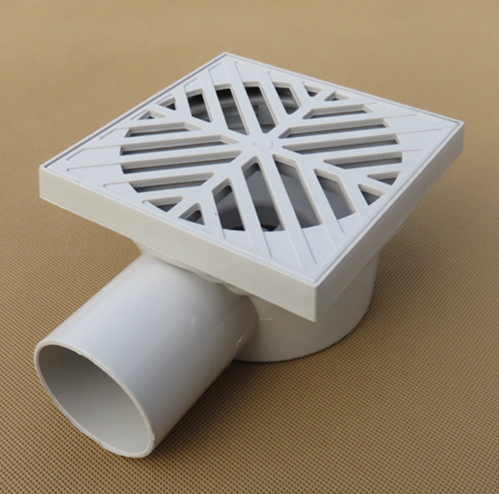
A blocked floor drain is far more than a minor inconvenience — in commercial kitchens, industrial facilities, bathrooms, and utility rooms, it can bring operations to a halt, create safety hazards, and cause expensive water damage. The grate sitting over a floor drain opening is the first and most critical line of defense against debris accumulation. Yet many property owners and facility managers underestimate how dramatically grate design affects long-term drainage performance. Choosing the right design is not simply an aesthetic decision; it is a functional engineering choice with real consequences for maintenance frequency, hygiene, and operational continuity.
Understanding which floor drain grate designs best prevent debris blockages requires a close look at opening geometry, material properties, slot orientation, and how each design interacts with the specific type of debris common to a given environment. This article breaks down the key design principles and structural features that separate high-performance grates from those that become blocked repeatedly. Whether you are specifying a floor drain for a new build, retrofitting an aging drainage system, or trying to reduce maintenance costs, the insights here will help you make a well-informed decision.
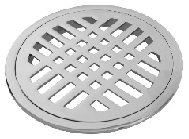
The Role of Grate Geometry in Blocking Debris
Opening Size and Debris Filtering Logic
The size of the openings in a floor drain grate is the most fundamental variable in debris prevention. Openings that are too large allow solid debris — food scraps, hair, fibrous materials, coarse particles — to pass directly into the drain body and trap pipe. Openings that are too small may filter debris effectively but become prone to surface clogging, restricting flow and causing pooling on the floor surface itself.
The ideal opening size depends heavily on the application environment. In a commercial kitchen floor drain, fine slots of approximately 6–8 mm are typically preferred to catch food solids while still allowing high volumes of water to pass. In an industrial washdown area where heavier particulate matter is common, slightly larger but reinforced openings with tapered profiles allow water to flush debris clear rather than trapping it at the grate surface. The geometry of the opening — whether square, rectangular, round, or slotted — also determines whether debris bridges across the opening or drops in.
Round openings tend to allow debris to slide to the center and drop through or seat themselves firmly, depending on the debris size. Linear slots, by contrast, allow fibrous debris to align with the slot and pass through more easily, which is a design weakness in environments with high hair or fiber load. Tapered slot profiles — wider at the top and narrower at the bottom — are considered among the most effective because they allow debris of borderline size to enter partially and be washed clear by water flow rather than wedging permanently.
Slot Orientation and Flow Direction
The orientation of slots on a floor drain grate interacts directly with floor slope and water flow direction. On a sloped floor designed to channel water toward the drain, slots oriented perpendicular to the flow direction will intercept debris carried by water more effectively than slots running parallel to it. This is a principle borrowed from industrial screening design and applied with great benefit to drainage grate engineering.
Radial slot patterns — where slots radiate outward from the center of the grate — offer a balanced approach, collecting debris from multiple flow directions regardless of how the floor is sloped. This makes radial designs particularly well-suited to floor drain applications in rooms where water may approach from different angles, such as open shower areas or wet processing rooms. Cross-hatch or grid patterns, while visually simple, can create debris-trapping corners where small particles accumulate and compact over time, ultimately restricting flow through the floor drain.
Material Selection and Surface Characteristics
Stainless Steel Grates and Debris Resistance
The material from which a floor drain grate is manufactured affects not just durability but also how debris interacts with its surface. Stainless steel, particularly grades 304 and 316, has become the dominant material in commercial and industrial applications for several reasons that go beyond corrosion resistance. The smooth surface finish of polished or brushed stainless steel reduces the coefficient of friction against debris, meaning that wet debris is less likely to adhere to the grate surface and more likely to be flushed clear by water flow.
In environments where biofilm formation is a concern — food processing, healthcare facilities, wet amenity areas — stainless steel's non-porous surface significantly reduces the accumulation of organic material that can bind debris to the grate. A floor drain grate with a rough or porous surface, by contrast, creates micro-sites where grease, organic matter, and particulate debris can adhere and compact, dramatically increasing both blockage frequency and cleaning difficulty.
The thickness and rigidity of the grate also matter in terms of debris management. A grate that flexes or vibrates under foot traffic may dislodge previously accumulated debris and push it deeper into the drain body rather than retaining it at the surface where it can be swept away. Structurally rigid grates maintain consistent opening dimensions over time, ensuring that the debris-filtering performance specified at installation does not degrade.
Cast Iron and Polymer Grates in Specific Contexts
Cast iron floor drain grates remain common in heavy industrial settings where load-bearing capacity is the primary concern. However, their rougher surface texture and susceptibility to corrosion over time can contribute to debris adhesion. As cast iron oxidizes, the surface roughness increases, providing more surface area for debris and biofilm to anchor. Regular maintenance is essential in these contexts to prevent progressive blockage buildup.
Polymer and PVC grates are increasingly used in residential and light commercial floor drain applications. Their smooth molded surfaces perform well in low-debris environments, and their light weight makes removal for cleaning straightforward. However, polymer grates are typically limited in their opening geometry options, and in environments with significant debris load or chemical exposure, their long-term dimensional stability may be compromised, leading to deformed openings that no longer filter debris effectively.
Design Features That Actively Prevent Blockages
Removable Basket Inserts and Secondary Filtration
One of the most effective design innovations for floor drain blockage prevention is the incorporation of a removable basket or strainer insert beneath the grate. This secondary filtration component catches debris that passes through the primary grate openings, preventing it from reaching the drain trap or pipe network. In commercial kitchens and food processing environments, this design is widely considered best practice because it allows bulk debris collection to be emptied quickly and hygienically without requiring access to the drain pipe itself.
The effectiveness of a basket insert depends on its mesh or perforation density, its capacity volume, and how easily it can be removed and cleaned. A floor drain system with a basket insert that is difficult to remove encourages neglect, resulting in the basket becoming overloaded and acting as a blockage point rather than a prevention mechanism. Purpose-designed grate and basket combinations where the grate lifts cleanly and the basket slides out with a single motion dramatically improve compliance with cleaning routines.
Self-cleaning basket designs, which use water flow to agitate and rinse accumulated debris toward collection zones, are available for high-volume commercial floor drain applications. These designs reduce the frequency of manual cleaning required while maintaining consistent drain performance between service intervals.
Raised Grate Profiles and Anti-Bridging Geometry
Flat grate surfaces are vulnerable to a phenomenon known as debris bridging, where multiple pieces of debris span an opening and create a physical blockage layer above the actual drain opening. Raised or domed grate profiles counteract this by reducing the flat surface area available for bridging to occur. A floor drain grate with a slightly convex top surface encourages debris to slide toward the perimeter or be washed off by water flow rather than accumulating in the center.
Anti-bridging geometry also includes designs where the individual grate bars or ribs are tapered or angled rather than flat-topped. This subtle change in cross-sectional profile means that debris rests on a narrow contact point rather than a broad surface, reducing adhesion and making it easier for water flow to dislodge accumulations before they compact. For a floor drain in a high-traffic area where daily cleaning is not always feasible, this passive anti-blockage feature provides meaningful protection.
Matching Grate Design to Environmental Debris Types
Hair and Fiber-Dominant Environments
In bathrooms, changing rooms, hair salons, and similar spaces, the predominant debris challenge for a floor drain is hair and fibrous material. These materials are particularly problematic because they do not behave as discrete particles — they tangle, interweave, and bind around grate bars and opening edges, progressively reducing flow capacity. Standard grid or square-opening grates are poorly suited to these environments because hair wraps around the structural bars and creates a dense mat that is difficult to remove without tools.
For hair-dominant environments, the most effective floor drain grate designs use smooth, round-edged openings without exposed internal bars around which hair can wrap. Circular perforated designs with smooth-bore holes and flush interior surfaces allow hair to accumulate loosely rather than binding tightly. Combined with a removable basket insert positioned below the grate, this approach allows hair and fiber to be collected and disposed of cleanly without contact with the drain infrastructure beneath.
Solid Particulate and Food Waste Environments
Commercial kitchens, food manufacturing lines, and cafeteria wash stations generate a very different debris profile for the floor drain — solid food particles, grease-coated fragments, vegetable matter, and fibrous food waste. Grease is a particularly challenging complicating factor because it coats debris particles and causes them to adhere to grate surfaces and each other, rapidly forming dense blockage masses.
In these environments, grate designs with wider linear slots oriented to maximize water velocity across the grate surface perform well because the water flow shears grease-coated debris from the bars before it can adhere and accumulate. A floor drain designed for food service environments should also have a grate that can withstand exposure to cleaning chemicals including caustic degreasers without surface degradation that would increase debris adhesion over time. Electropolished stainless steel grates are particularly well-suited to this challenge, combining maximum surface smoothness with chemical resistance.
For heavy-solids environments, some floor drain designs incorporate a sloped internal basket that funnels solid debris to a concentrated collection zone, making extraction faster and reducing the chance of solids escaping into the drain body. This design is especially valuable in environments where drain cleaning cannot be scheduled during operational hours, as it maximizes the capacity available before intervention is needed.
Maintenance-Friendly Design Principles
Ease of Access and Cleaning Integration
Even the best-designed floor drain grate will eventually require cleaning, and the ease of that process directly influences how regularly it is performed. Grates that require tools to remove, that are heavy and awkward to lift, or that lack clear visual indicators of debris accumulation are consistently cleaned less frequently than those designed with maintenance practicality as a core principle. The behavioral reality of maintenance scheduling means that design-facilitated cleaning is a genuine blockage prevention strategy, not merely a convenience feature.
Quick-release grate mechanisms — quarter-turn locks, magnetic lift points, or hinged sections — significantly reduce the friction associated with routine floor drain maintenance. In commercial environments where cleaning staff are under time pressure, a grate that can be removed, rinsed, and replaced in under thirty seconds is far more likely to be included in daily cleaning routines than one that requires a screwdriver and a replacement gasket to service.
Visual Clarity and Debris Monitoring
Transparent or visually open grate designs that allow maintenance staff to observe debris accumulation without removing the grate enable proactive intervention before a partial blockage becomes a full one. Some modern floor drain grate designs incorporate indicator windows or open-area grating patterns that make the status of the basket or trap visible from above. This design principle is particularly valuable in high-traffic commercial environments where the floor drain may not be formally inspected at every cleaning interval.
Color-coded basket inserts, available in some system designs, provide immediate visual cues to cleaning staff about accumulation status, streamlining maintenance workflows in facilities where multiple floor drain points need to be managed across large floor areas. While this feature addresses operational management rather than pure grate geometry, it forms part of a holistic design approach to floor drain blockage prevention that high-specification drainage systems increasingly incorporate.
FAQ
What is the best grate opening shape for preventing hair blockages in a bathroom floor drain?
For hair-dominant environments, circular perforated grates with smooth-bore holes and no exposed internal bars are the most effective design for a floor drain. Unlike grid or linear slot designs, round perforations do not provide angular edges or bars around which hair can wrap and tangle. Pairing this grate type with a removable basket insert beneath the grate allows accumulated hair to be collected and disposed of cleanly without manual contact with the drain interior.
How does grate material affect debris blockage frequency in a floor drain?
Grate material significantly influences how debris adheres to the grate surface. Polished or electropolished stainless steel offers the lowest surface friction and the least biofilm adhesion, meaning debris is more easily flushed clear by water flow and less likely to compact into blockages. Rougher materials such as corroded cast iron or degraded polymer provide more surface area for debris and grease to anchor, increasing blockage frequency in any floor drain application.
Are removable basket inserts necessary for all floor drain types?
Removable basket inserts are not universally required, but they represent best practice in any environment where significant solid or fibrous debris is expected. For a floor drain in a lightly loaded residential bathroom, a well-designed grate alone may be sufficient. However, in commercial kitchens, food processing facilities, and high-traffic wet areas, basket inserts provide critical secondary filtration that protects the drain trap and pipe network from debris accumulation that the grate alone cannot fully intercept.
How often should a floor drain grate be removed and cleaned to prevent blockages?
Cleaning frequency depends entirely on the debris load of the environment. In commercial kitchens, a floor drain grate and basket insert should ideally be cleaned at the end of every operational period — typically daily. In light commercial or residential bathrooms, weekly or biweekly cleaning is generally sufficient. The most practical guidance is to inspect the floor drain regularly and establish a cleaning schedule based on observed accumulation rates rather than fixed calendar intervals, adjusting frequency as seasonal or operational patterns change.
Table of Contents
- The Role of Grate Geometry in Blocking Debris
- Material Selection and Surface Characteristics
- Design Features That Actively Prevent Blockages
- Matching Grate Design to Environmental Debris Types
- Maintenance-Friendly Design Principles
-
FAQ
- What is the best grate opening shape for preventing hair blockages in a bathroom floor drain?
- How does grate material affect debris blockage frequency in a floor drain?
- Are removable basket inserts necessary for all floor drain types?
- How often should a floor drain grate be removed and cleaned to prevent blockages?